
WHERE DOES IT HURT?
Facial pain – trigeminal nerve
Brief, severe attacks of facial pain can significantly disrupt everyday life. A specialist examination helps identify the cause and select appropriate treatment.
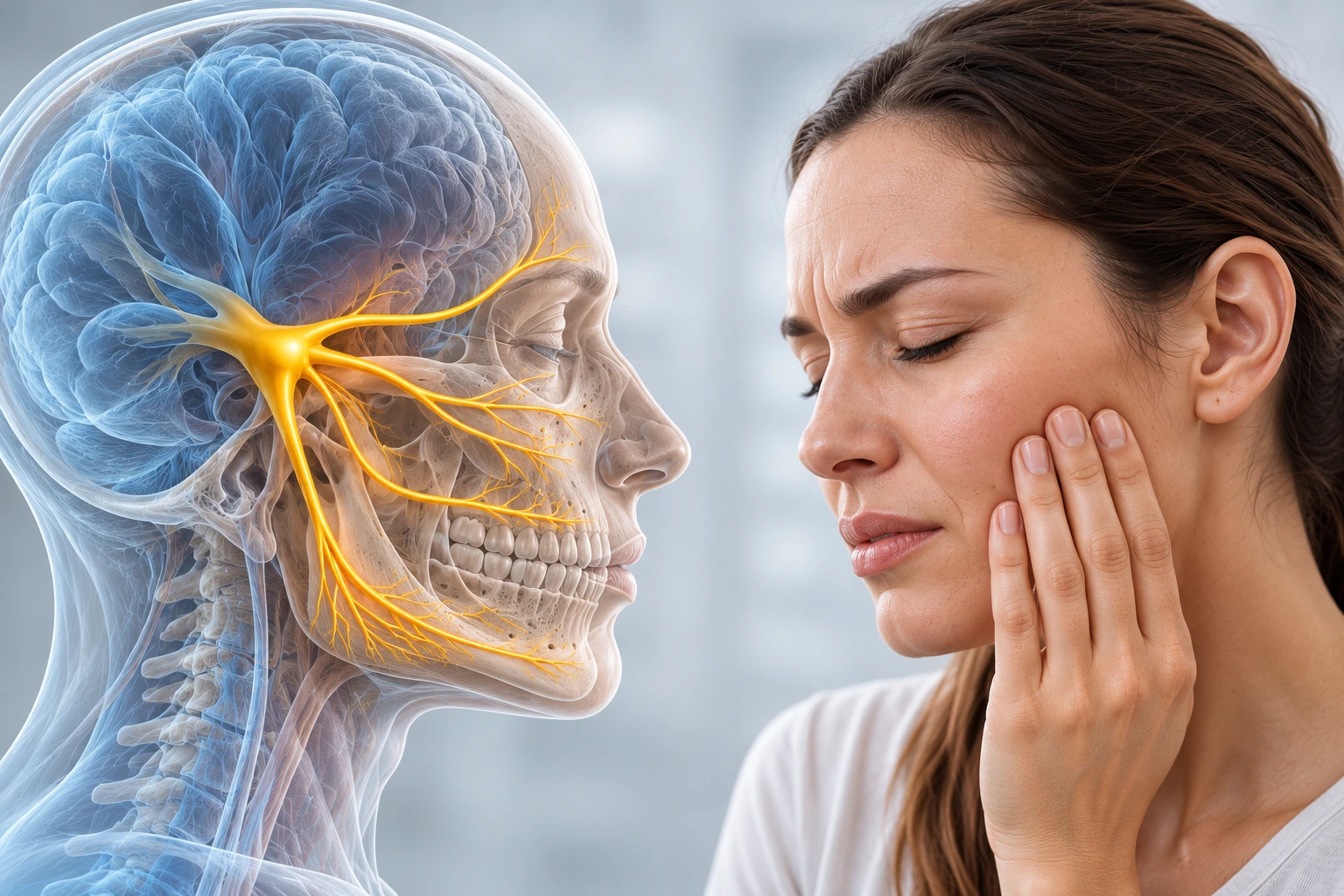
01 | What is the trigeminal nerve?
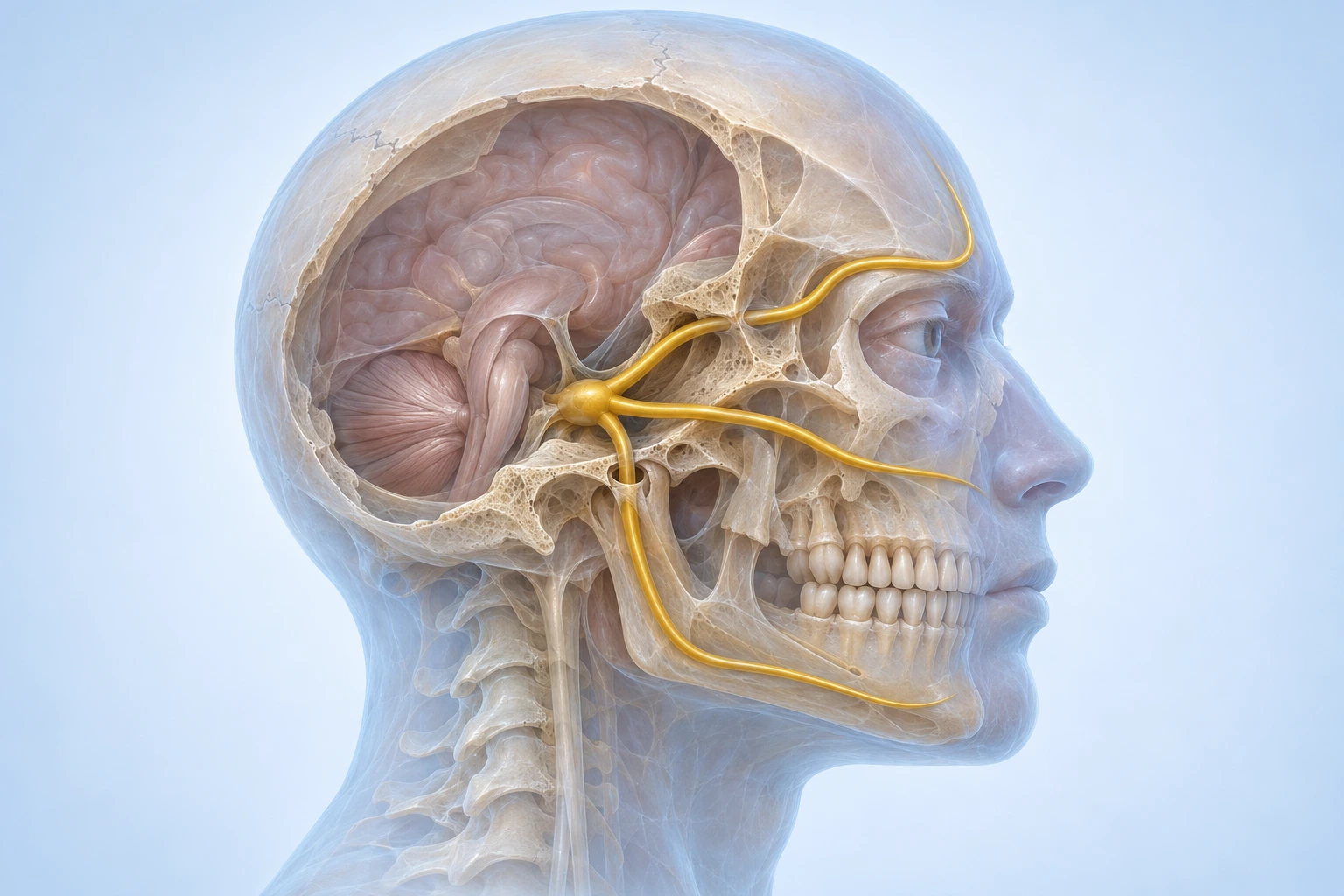
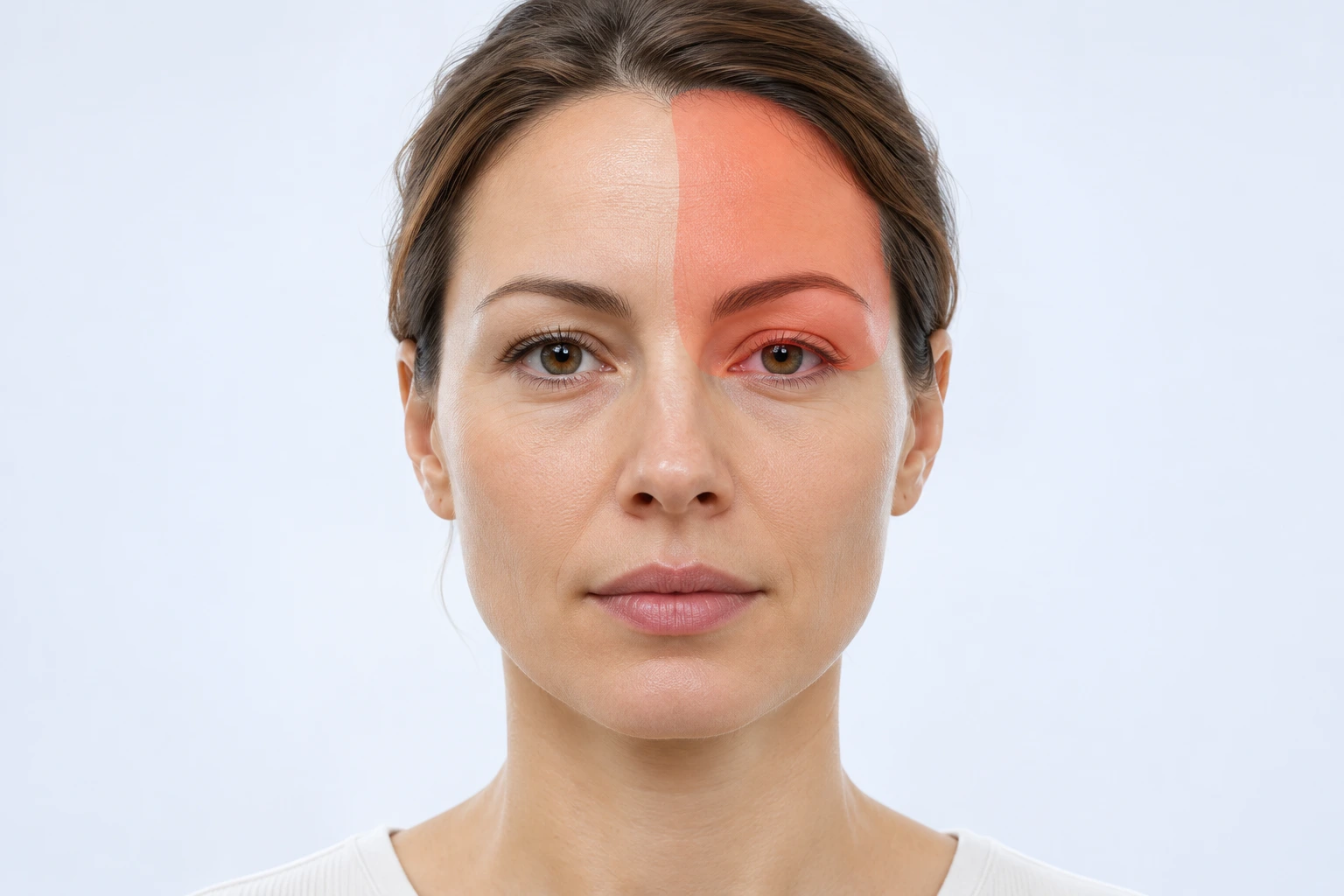
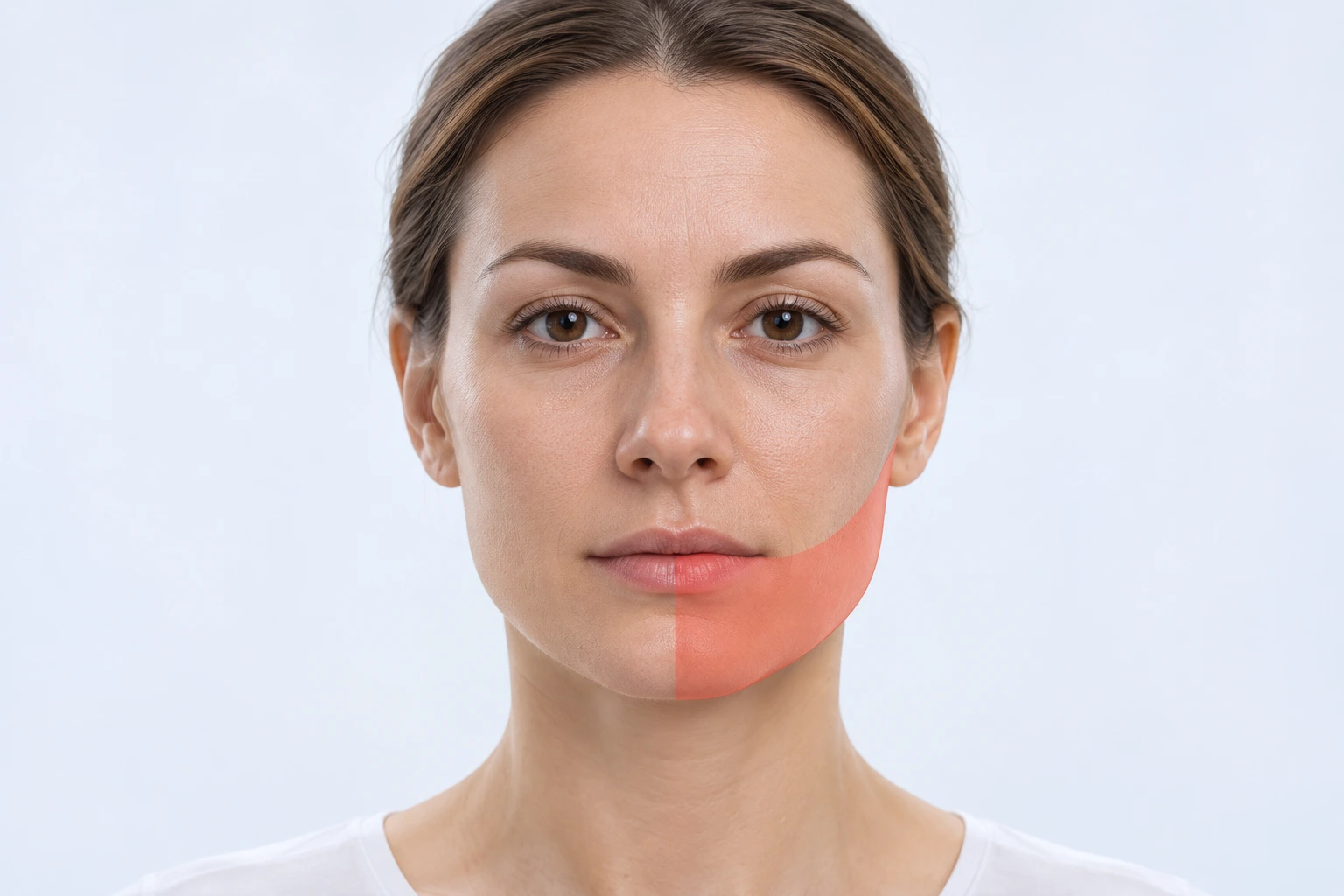
The trigeminal nerve (nervus trigeminus) is the fifth cranial nerve. It carries sensation from much of the face and has three main branches: ophthalmic (V1), maxillary (V2) and mandibular (V3). It also helps control the muscles used for chewing.
Trigeminal neuralgia typically causes repeated brief attacks of intense pain, often described as electric shock-like or stabbing, usually on one side of the face. Not all facial pain is trigeminal neuralgia.

02 | What symptoms can it cause?
- Sudden, very intense attacks of electric shock-like or stabbing pain.
- Attacks usually last from a fraction of a second to approximately two minutes.
- Light touch, talking, eating, brushing teeth or cold air may trigger pain.
- Patients may be pain-free between attacks; some also experience continuous pain.
03 | Diagnosis – how is the cause of pain identified?
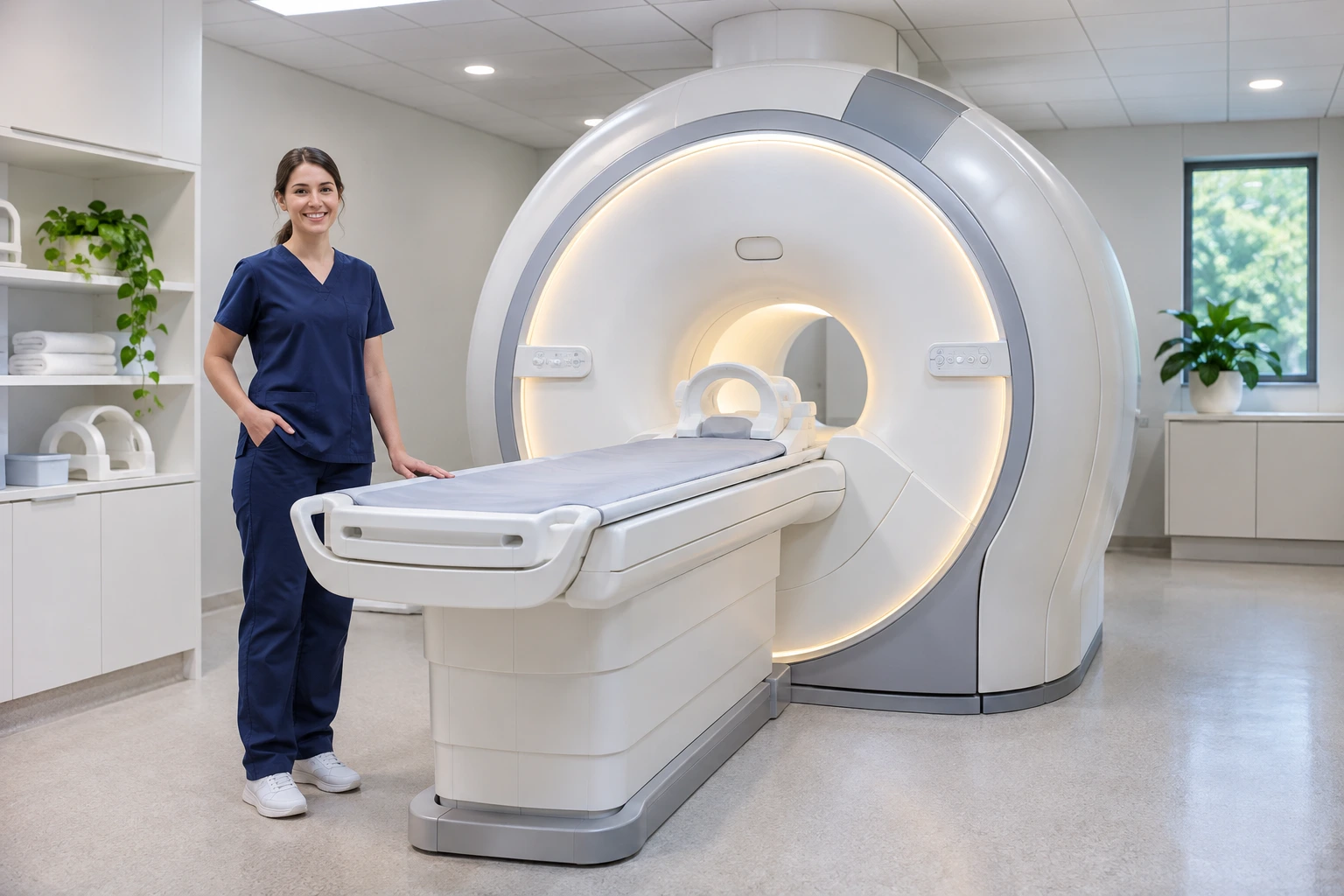
Assessment is based on a detailed medical history, a neurological examination and distinguishing neuralgia from other causes of facial pain, such as dental conditions, temporomandibular joint pain or other neuropathic pain. Depending on the clinical findings, the doctor may consider magnetic resonance imaging (MRI) of the brain and the course of the nerve to exclude a secondary cause and assess possible contact between a blood vessel and the nerve.
New sensory changes, weakness, other neurological symptoms or an atypical course require timely specialist assessment.


04 | Treatment options

Medication
For typical trigeminal neuralgia, medicines that reduce nerve pain are usually the first choice, particularly carbamazepine or oxcarbazepine if suitable for the individual patient. Their use requires medical supervision and monitoring for possible adverse effects.
Specialist interventional and neurosurgical procedures
If medicines do not provide adequate relief, are not tolerated or a specific treatable cause is identified, a specialist may consider further procedures. Depending on the findings, these may include microsurgical nerve decompression or selected percutaneous and radiosurgical methods. Suitability, expected benefit and risks are assessed individually.
An individual combined approach
Management may require collaboration between a neurologist, pain specialist, neurosurgeon, dentist and other specialists. The choice of approach is guided by the precise diagnosis and the patient’s preferences.
Important: PRP and other regenerative injection therapies have no established effectiveness or role as standard treatment for classical trigeminal neuralgia. We therefore do not present them as recommended therapy on this page.
05 | Why choose an EIRM-certified clinic?
EIRM is a professional and certification platform, not a healthcare provider. Examination and treatment take place at independent clinics. Clinics that have obtained EIRM certification meet the relevant professional and quality standards.
06 | Frequently asked questions
Is all facial pain caused by the trigeminal nerve?
No. Dental, joint, muscle and other neurological causes may produce similar symptoms. Specialist assessment is essential.
How long does a neuralgia attack last?
Typical attacks last from a fraction of a second to approximately two minutes and may recur.
Can magnetic resonance imaging help with diagnosis?
MRI can help exclude other causes and assess possible contact between a blood vessel and the nerve; the diagnosis is based primarily on the clinical presentation.
Is surgery always necessary?
No. Treatment usually starts with medication. A procedure is considered only for selected patients, depending on examination results and the response to treatment.
Is PRP a standard treatment for trigeminal neuralgia?
No. PRP is not an established standard treatment for classical trigeminal neuralgia.
Are you troubled by facial pain?
Choose from the list of EIRM-certified clinics and book a specialist consultation. The availability of specialist diagnosis and treatment may vary between clinics.