TREATMENT AREAS
Shoulder pain does not have to limit your everyday life
Shoulder pain may affect sleep, work, sport and routine daily activities. After a specialist examination, patients at EIRM-certified clinics may receive individual recommendations including conservative, interventional and selected regenerative approaches.
EIRM is a professional and certification institution supporting professional and quality standards across a network of certified clinics. Diagnosis and treatment are provided by independent healthcare providers – EIRM-certified clinics.
Choose your nearest EIRM-certified clinic.

02 | The most common causes of shoulder pain
The most common causes of shoulder pain
Shoulder pain may result from overload, injury, inflammatory or degenerative changes. Correctly identifying the cause is the foundation for selecting suitable treatment.
Overload and shoulder pain
Repetitive movements at work or in sport may cause persistent pain.
Tendon injuries and tears
Tendons may tear or become damaged after an injury or prolonged overload.
Inflammation around the shoulder
Inflammation or irritation of tendons and surrounding tissues may limit movement.
Dislocation and consequences of injury
Pain, weakness or instability may persist after dislocation or another injury.
Shoulder osteoarthritis
Joint wear may cause pain, stiffness and limited movement.
Frozen shoulder
The shoulder gradually becomes stiff and painful, making activities such as dressing or raising the arm difficult.
03 | Accurate diagnosis is the foundation of treatment
Accurate diagnosis is the foundation of treatment
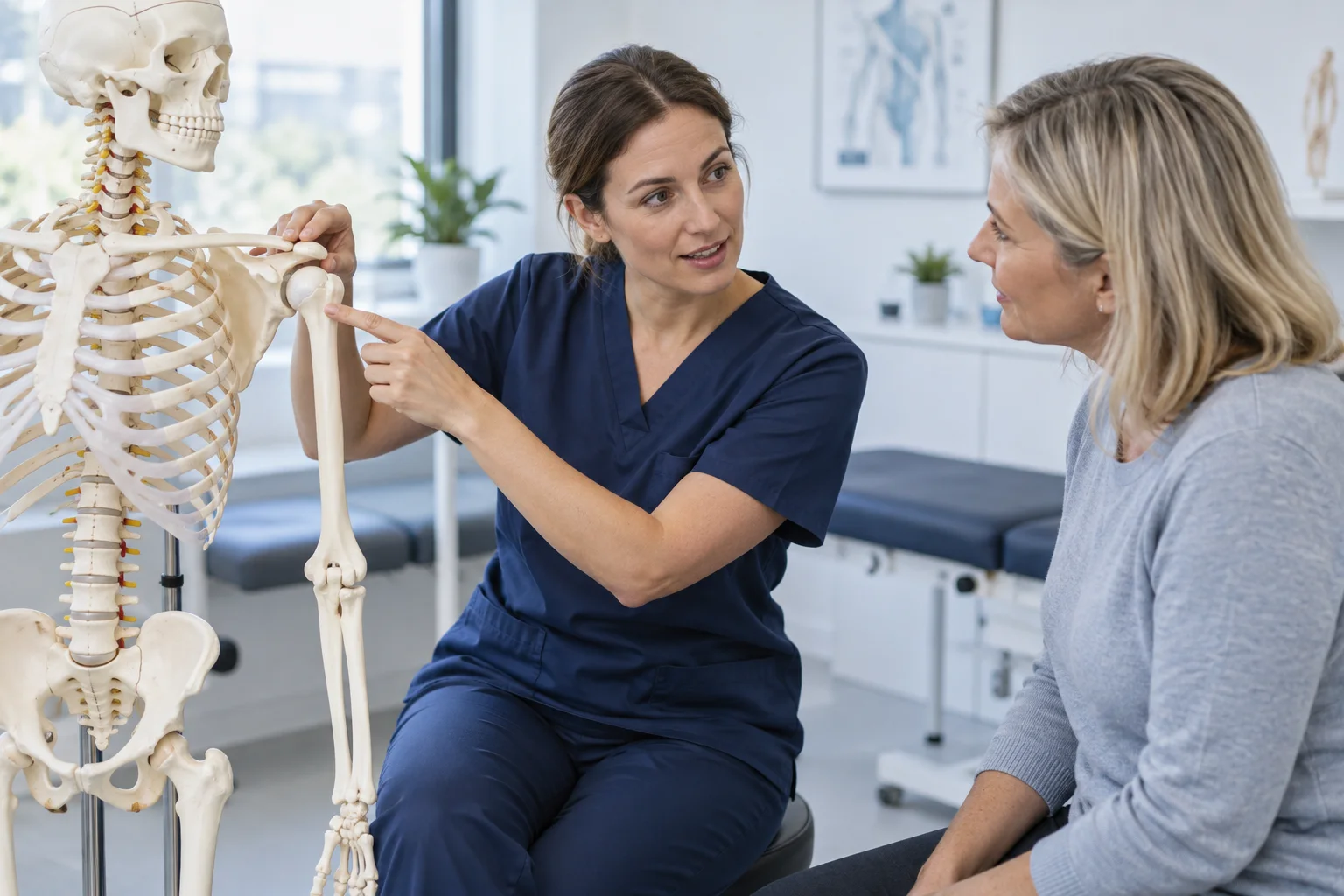
Doctors at certified clinics assess the medical history, development of symptoms and clinical findings. Where needed, they use ultrasound, X-ray or magnetic resonance imaging (MRI), or recommend further specialist examinations. Not all shoulder pain originates directly in the shoulder joint.
Clinical examination
Ultrasound
X-ray
Magnetic resonance imaging (MRI)
04 | PRP – the main regenerative method presented
PRP – the main regenerative method presented
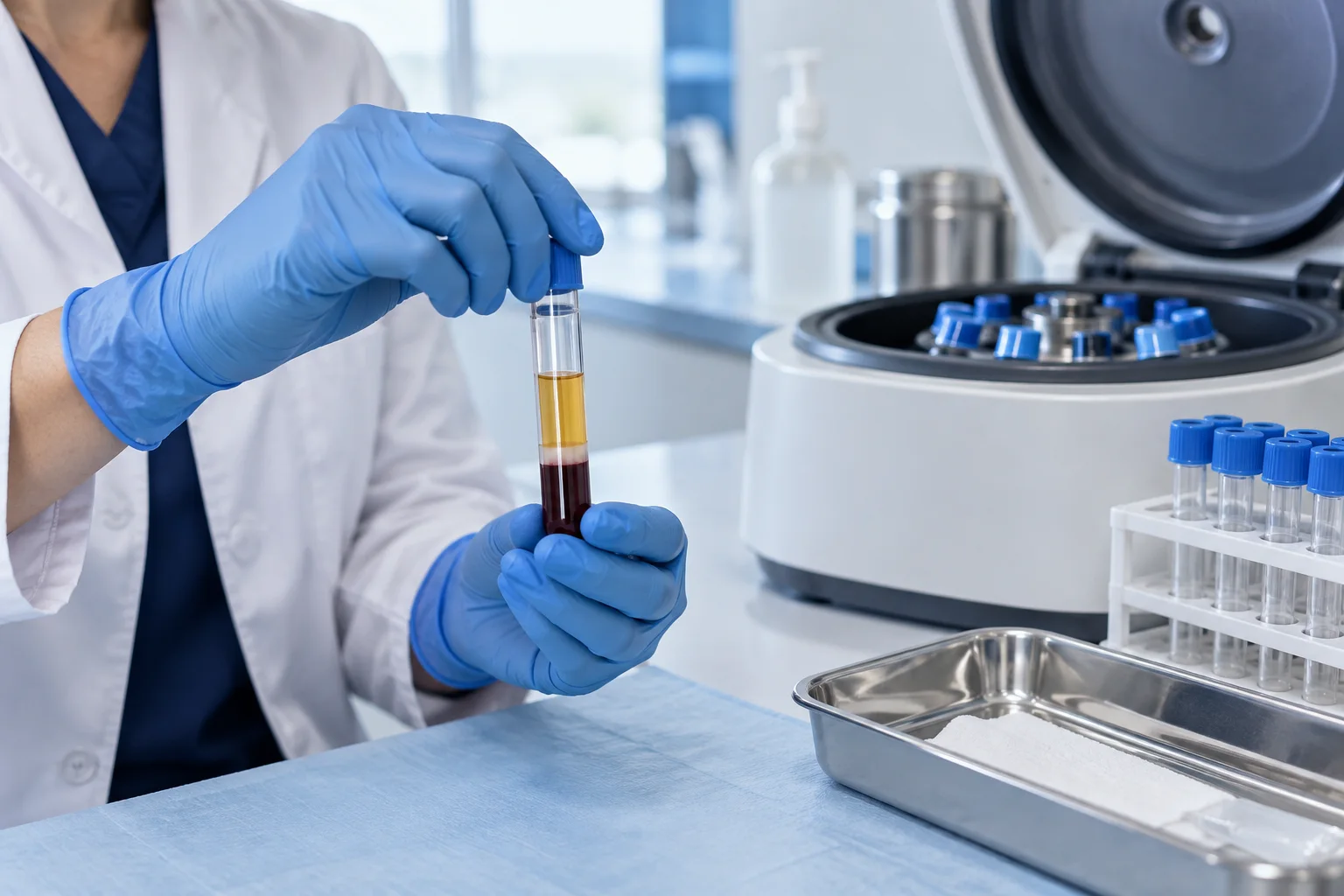
PRP (platelet-rich plasma) is prepared from the patient's own blood. It contains platelets and bioactive substances involved in biological healing processes. For selected shoulder diagnoses, a doctor may consider PRP as an additional treatment option, particularly for some tendon conditions. Clinical study results differ by diagnosis and protocol; an effect cannot be guaranteed.
At selected certified clinics, injection may be performed under X-ray or ultrasound guidance, depending on the target structure and procedure. PRP is not a universal solution for all shoulder pain and cannot be claimed to reliably restore damaged tendons or cartilage.
From the patient's own blood
Individual indication
Imaging guidance where appropriate
Part of a comprehensive treatment plan
05 | Other treatment options at certified clinics
Other treatment options at certified clinics
Targeted injection treatments
Depending on the diagnosis, a doctor may indicate medication injections into a joint, bursa or other target structures, with imaging guidance where appropriate.
Interventional pain management
For selected chronic painful conditions, pulsed radiofrequency, cryoablation or another interventional procedure may be considered. The aim is to influence pain; these procedures do not restore the damaged joint.
BMAC – an additional option for selected indications
Bone marrow aspirate concentrate (BMAC) is a biological approach under investigation. Clinical evidence for shoulder conditions is limited, and the individual clinic must assess availability, suitability and any regulatory requirements. It is not a standard replacement for surgery.
Physiotherapy and rehabilitation
Targeted exercise, gradual adjustment of loading and rehabilitation are important parts of care for many causes of shoulder pain. The specific plan depends on the diagnosis and stage of the condition.
06 | An individual and combined approach
An individual and combined approach
The appropriate approach depends on the source of pain, extent of damage, functional limitations and the patient's goals. At a certified clinic, a doctor may propose a combination of lifestyle measures, rehabilitation, medication and, where indicated, interventional or regenerative procedures. Suspected serious damage may require a surgical or other specialist assessment.
07 | Treatment goals
Treatment goals
Pain relief
Improving range of movement
Returning to everyday activities
Supporting long-term shoulder function
The effect achieved is individual and depends on the diagnosis, extent of damage, chosen approach and participation in rehabilitation.

08 | Frequently asked questions from patients (FAQ)
Frequently asked questions from patients (FAQ)
01 When may PRP be suitable for shoulder pain?
PRP may be considered individually for some tendon conditions or other selected diagnoses. Suitability depends on the precise cause of pain, findings and previous treatment. It is not suitable for every patient.
02 How is PRP administered?
After blood collection, centrifugation is used to prepare plasma with a higher proportion of platelets. A doctor then injects it into the chosen area, under X-ray or ultrasound guidance where needed. The clinic determines the specific protocol.
03 Is PRP treatment painful?
Blood collection and injection may involve temporary discomfort. Soreness may temporarily increase or a local reaction may develop afterwards. The treating doctor explains pain relief options and risks.
04 When does PRP take effect?
Any relief may not be immediate and may develop over weeks. Some patients may not experience significant improvement. The timing differs by diagnosis.
05 How many PRP injections are needed?
There is no universal number of injections for all shoulder conditions. A doctor decides the number and intervals according to the diagnosis, chosen protocol and response to treatment.
06 What are pulsed radiofrequency and cryoablation?
These are interventional procedures used, for selected indications, to influence the transmission or processing of pain signals in nerve structures. They do not replace treatment of mechanical damage to tendons or the joint.
07 Is BMAC treatment also suitable for shoulder problems?
BMAC is being investigated for some musculoskeletal conditions, but evidence of its benefit for individual shoulder diagnoses remains limited. The specific clinic assesses availability and potential suitability.
08 When can I return to sport?
This depends on the diagnosis and procedure chosen. A return to loading should be gradual, following the doctor's and physiotherapist's recommendations. Tendon damage may require longer restrictions on loading.
09 Can regenerative treatment replace surgery?
Not always. For some injuries, such as significant tendon rupture, surgery may be more appropriate. Regenerative or interventional treatment should not be presented as a guaranteed replacement for surgery.
Are you troubled by shoulder pain?
Book a consultation at your chosen EIRM-certified clinic. A doctor will assess the cause of your symptoms and recommend appropriate next steps.
Choose your nearest EIRM-certified clinic.