
WHERE DOES IT HURT?
Hip pain and hip osteoarthritis
The hip is one of the body’s most heavily loaded joints. Conditions affecting it can cause groin pain, stiffness, restricted movement and difficulty walking or carrying out everyday activities.
In hip osteoarthritis (coxarthrosis), the cartilage and other joint structures gradually change. Accurate diagnosis helps distinguish coxarthrosis from pain referred from the spine or surrounding muscles and tendons.
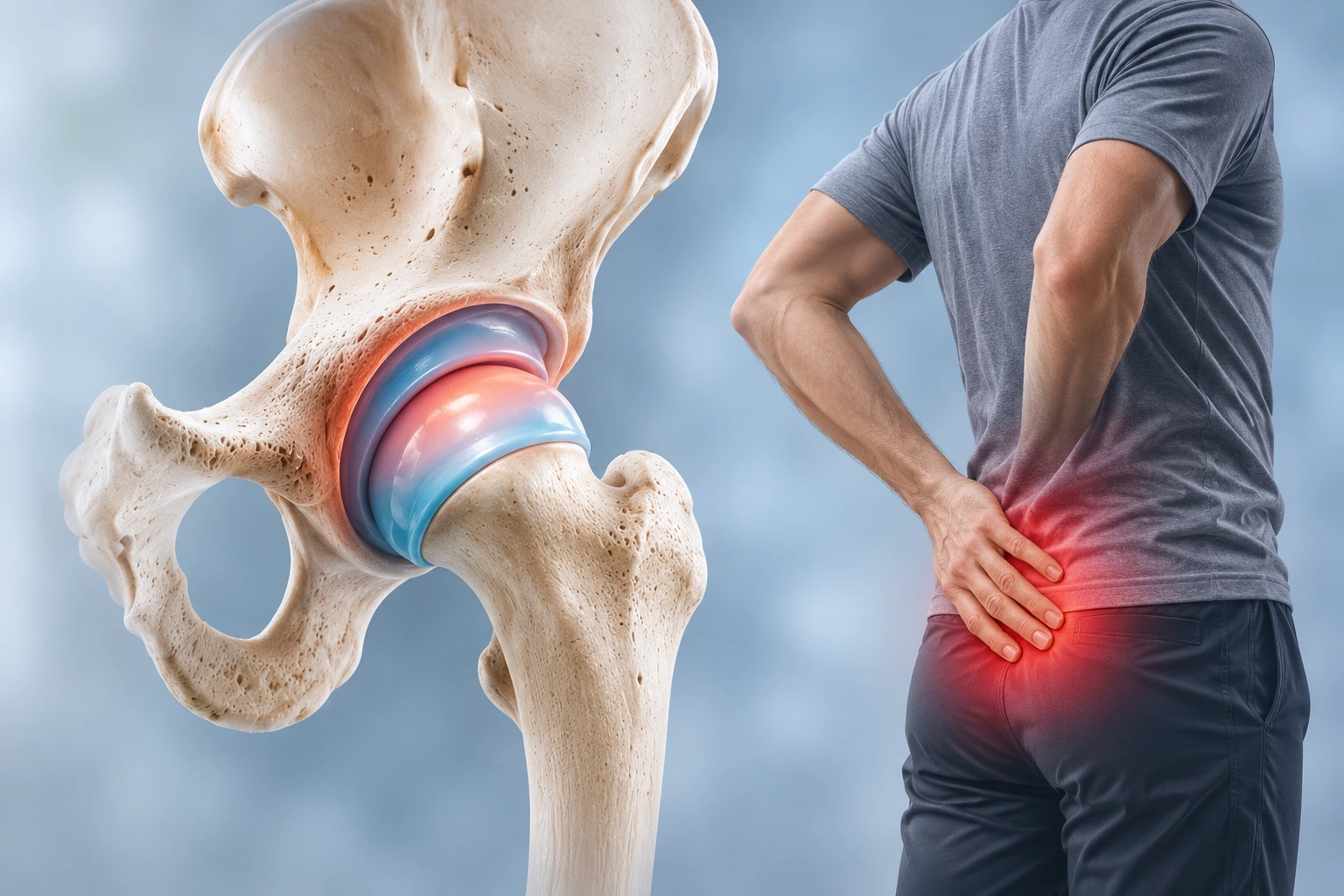
What is hip osteoarthritis?
Coxarthrosis is a degenerative condition of the hip joint that affects the joint cartilage, subchondral bone and surrounding tissues. More advanced stages may involve narrowing of the joint space, bone spurs and restricted movement.
Pain around the hip does not necessarily mean osteoarthritis. Tendon conditions, bursitis, spinal conditions and other problems can also cause it. This is why an examination is important.
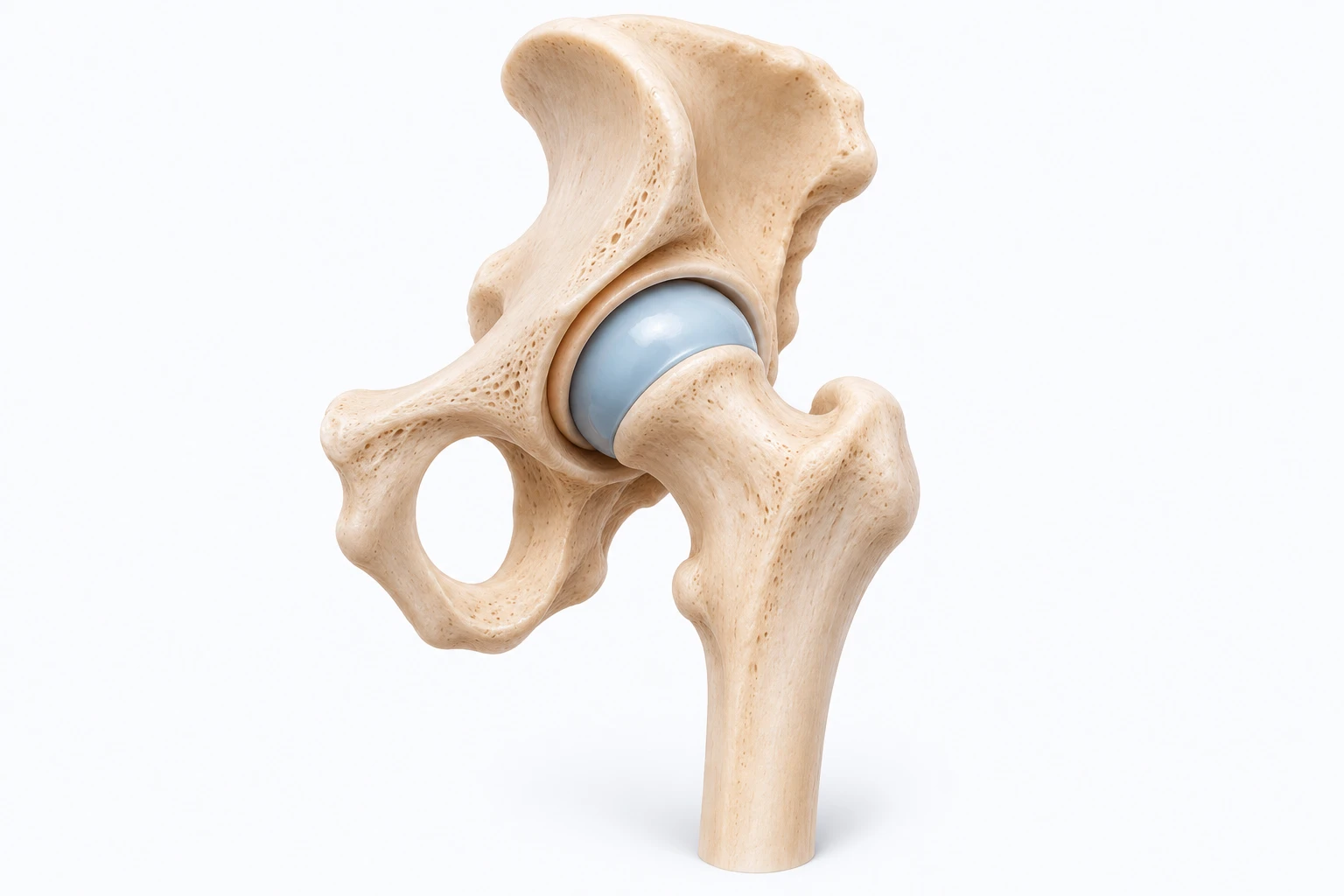
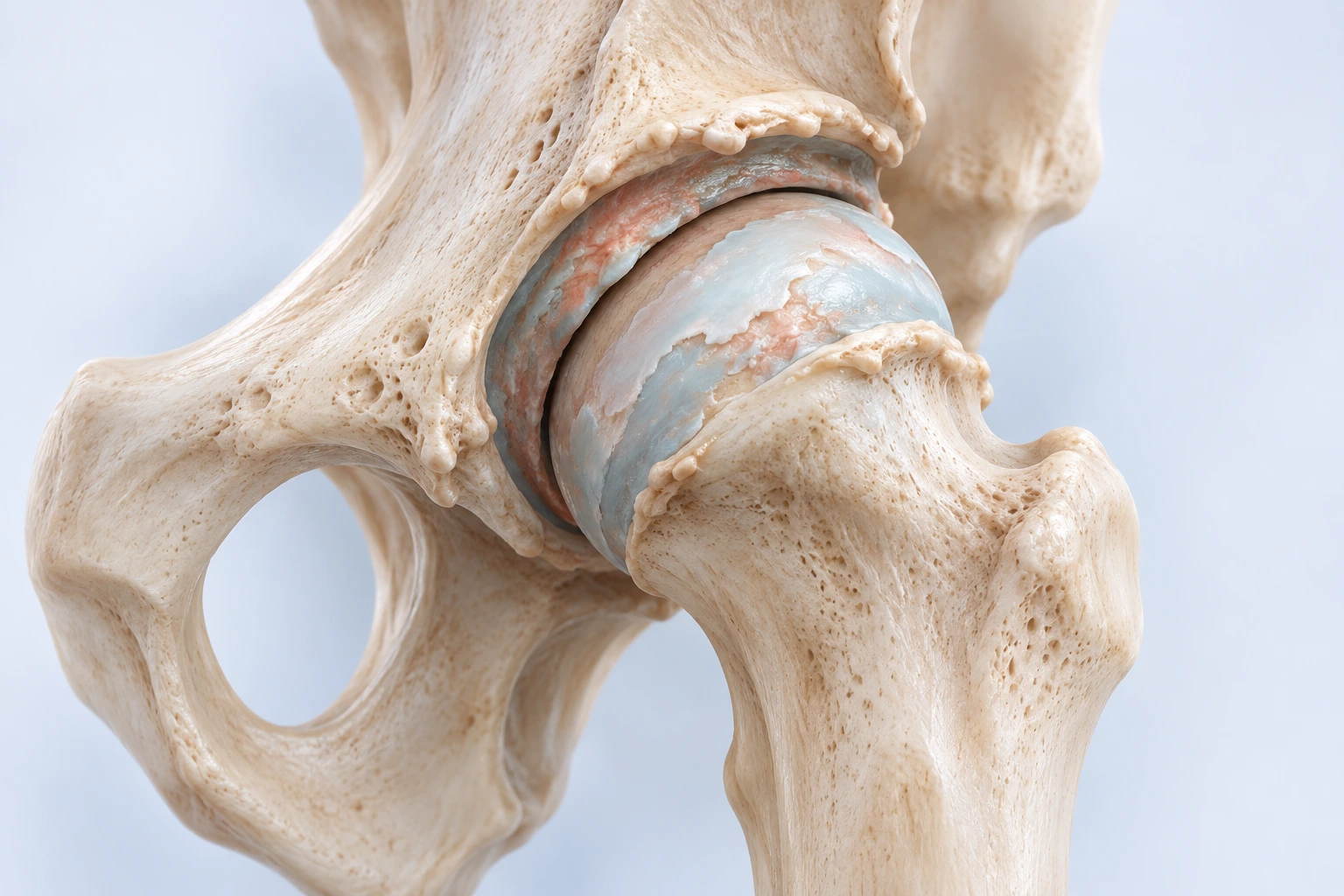
What symptoms can it cause?
Typical symptoms include pain in the groin or front of the hip, sometimes radiating into the thigh or knee. Stiffness after rest, restricted hip rotation and bending, and pain during longer walks, standing up or putting on shoes may also occur.
Sudden severe pain after an injury, inability to bear weight on the leg, fever with a painful joint or significant general symptoms require urgent medical assessment.
Diagnosis – how is the cause of pain identified?
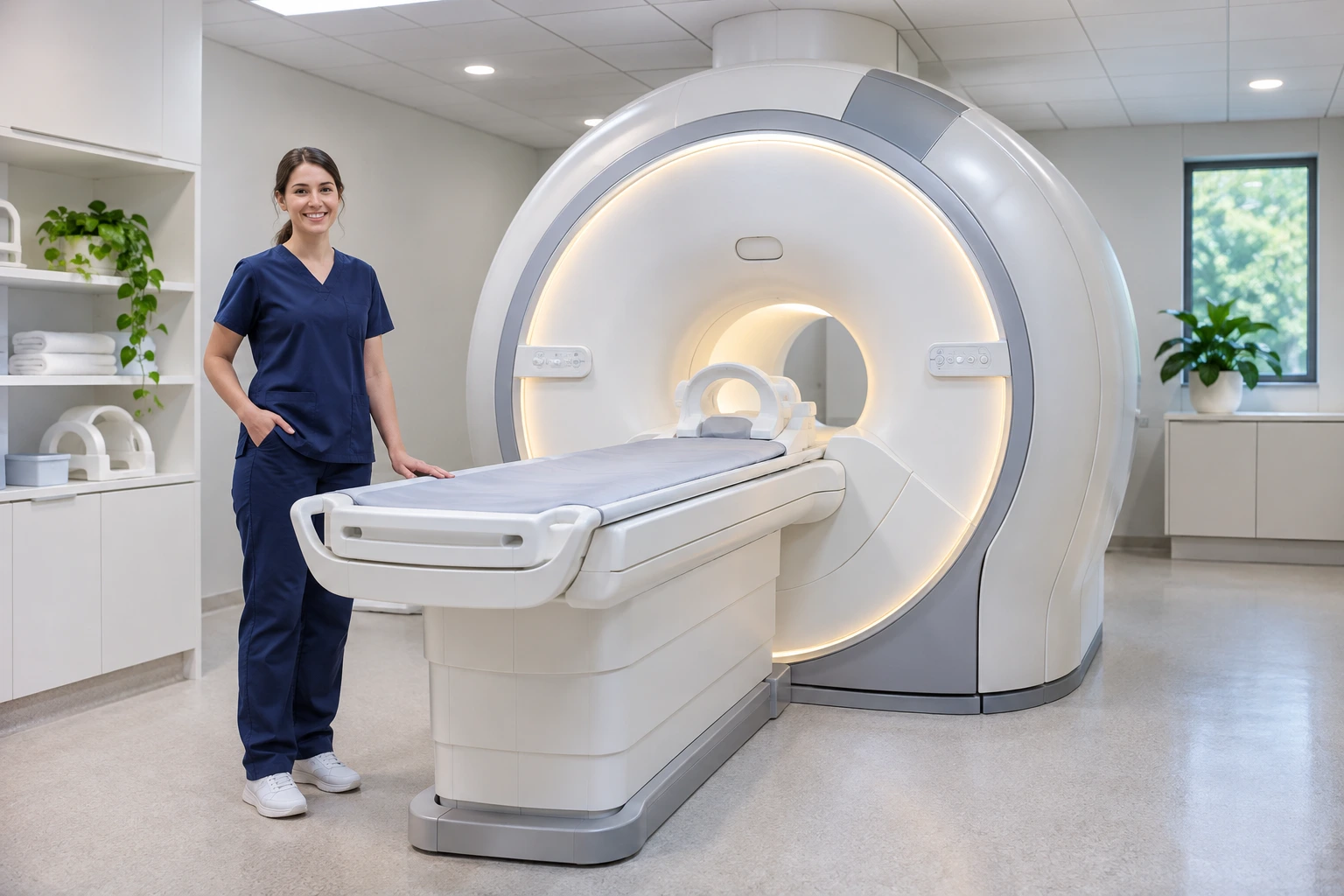
The doctor assesses symptoms, their progression, range of movement and clinical findings. An X-ray is usually the initial imaging examination when osteoarthritis is suspected. MRI or other examinations are used in selected cases where the diagnosis is unclear.
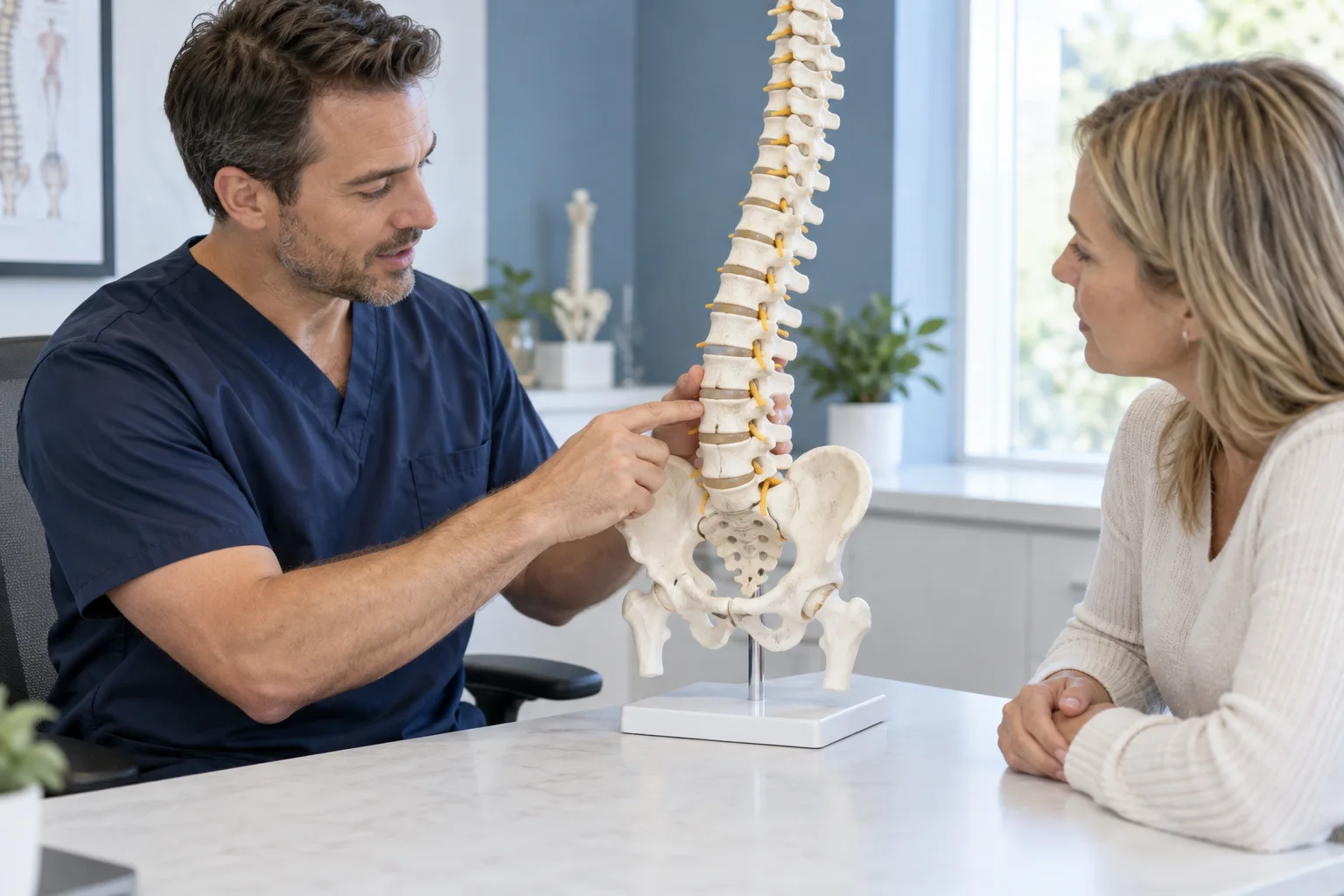
It is important to distinguish a condition of the hip joint itself from pain originating in the lumbar spine or surrounding soft tissues.
Hip treatment options
Treatment is selected according to the diagnosis, extent of joint damage, severity of symptoms and overall health. Exercise therapy, adjustments to physical loading and other standard approaches remain important. Advanced osteoarthritis may also require an orthopaedic assessment.

PRP – platelet-rich plasma
A biological preparation made from the patient’s own blood. Its potential to influence pain and joint function in hip osteoarthritis is being studied; evidence is limited and effectiveness is not guaranteed.
Arthrosamid® – polyacrylamide hydrogel
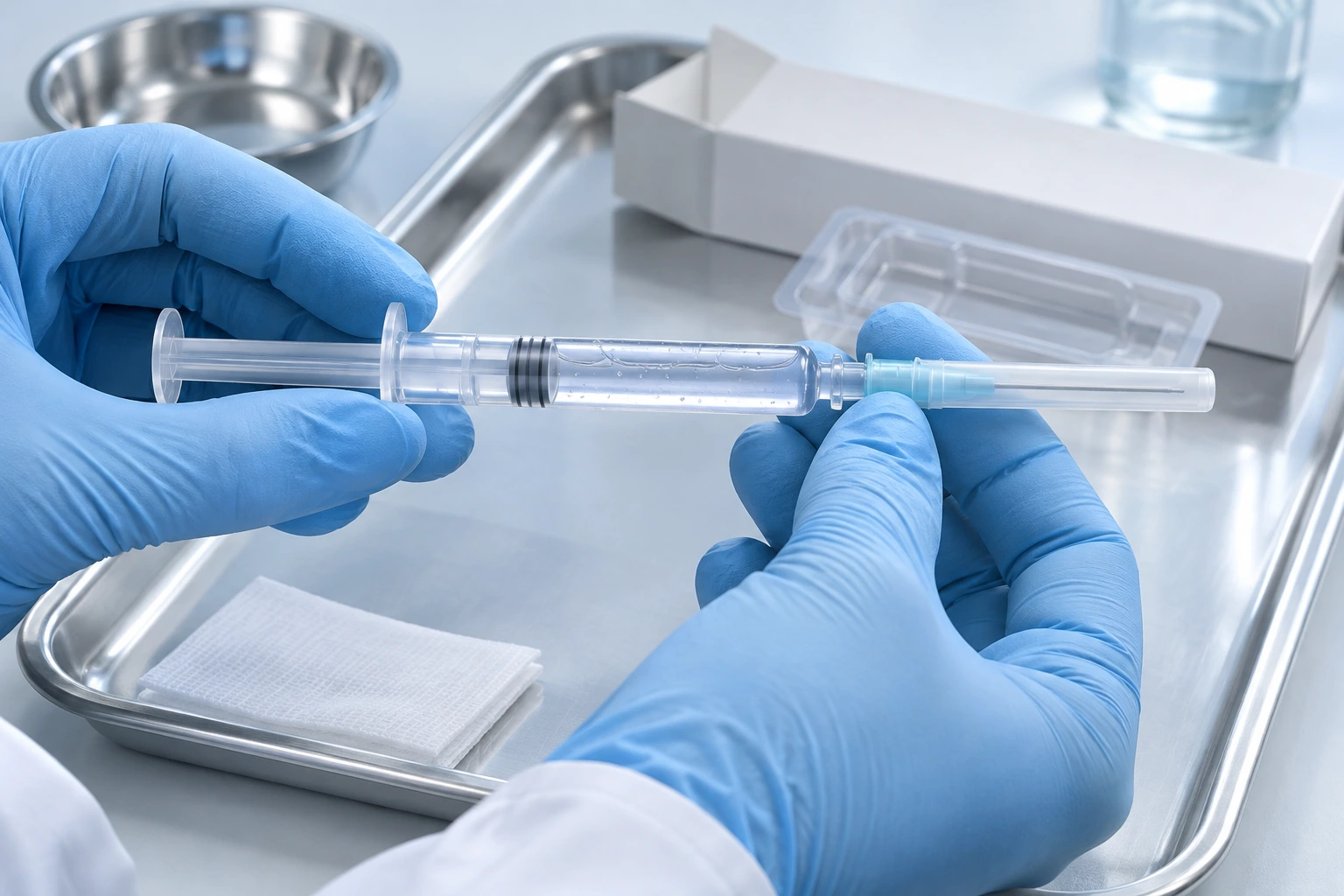
An injectable hydrogel that has been clinically studied primarily in knee osteoarthritis. The workplace already has experience with injection into the hip, but this alone does not demonstrate safety and effectiveness in coxarthrosis or approval for this indication. Before presenting it as an available hip treatment, the current conditions of use, informed consent and regulatory status must be confirmed.

An individual combined approach
Depending on the findings, the doctor may recommend a suitable combination of rehabilitation, conservative care and interventional procedures. The choice depends on the patient’s needs and the available evidence.
Why choose an EIRM-certified clinic?
EIRM certification applies to defined therapeutic methods and their scope of use. It aims to support professional, technical and safety standards at workplaces. Certification does not guarantee a treatment outcome.
Independent clinics provide diagnosis and treatment; EIRM is a professional and certification institution.
Frequently asked questions
What causes hip pain?
Possible causes include osteoarthritis, tendon damage, bursitis, an injury or pain referred from the spine. An examination identifies the precise cause.
How is hip osteoarthritis diagnosed?
Through the medical history, clinical examination and, where needed, an X-ray or other examinations.
Is PRP suitable for everyone?
No. A doctor assesses suitability and expected benefit individually; the evidence in hip osteoarthritis is uncertain.
Is Arthrosamid® approved for treating hip osteoarthritis?
Clinical experience with an injection does not prove that the indication is approved. The regulatory status and available evidence for the hip must be checked before any potential use.
When should surgery be considered?
In severe osteoarthritis that significantly limits daily life despite appropriate non-surgical treatment, the doctor may recommend an orthopaedic examination.
Are you troubled by hip pain?
Choose from the list of EIRM-certified clinics and book a specialist consultation.