REGENERATIVE MEDICINE
Bone marrow concentrate (BMAC)
Targeted treatment using bioactive components of the patient's own bone marrow for selected musculoskeletal conditions.
Your own biological material
Targeted injection
Outpatient procedure

01
TREATMENT FROM YOUR OWN BODY
What is bone marrow concentrate (BMAC)?
BMAC (Bone Marrow Aspirate Concentrate) is a concentrate prepared from the patient's own bone marrow.
It contains cellular and other bioactive components that naturally participate in tissue healing and repair. Treatment aims to use these natural mechanisms directly in the treated area.
Bone marrow collection

Processing and concentration

Targeted injection
02
TREATMENT OPTIONS
Who may be suitable for BMAC?
BMAC is used for selected degenerative and post-traumatic musculoskeletal conditions. A doctor always determines whether treatment is suitable, based on the diagnosis, clinical examination and available imaging examinations.
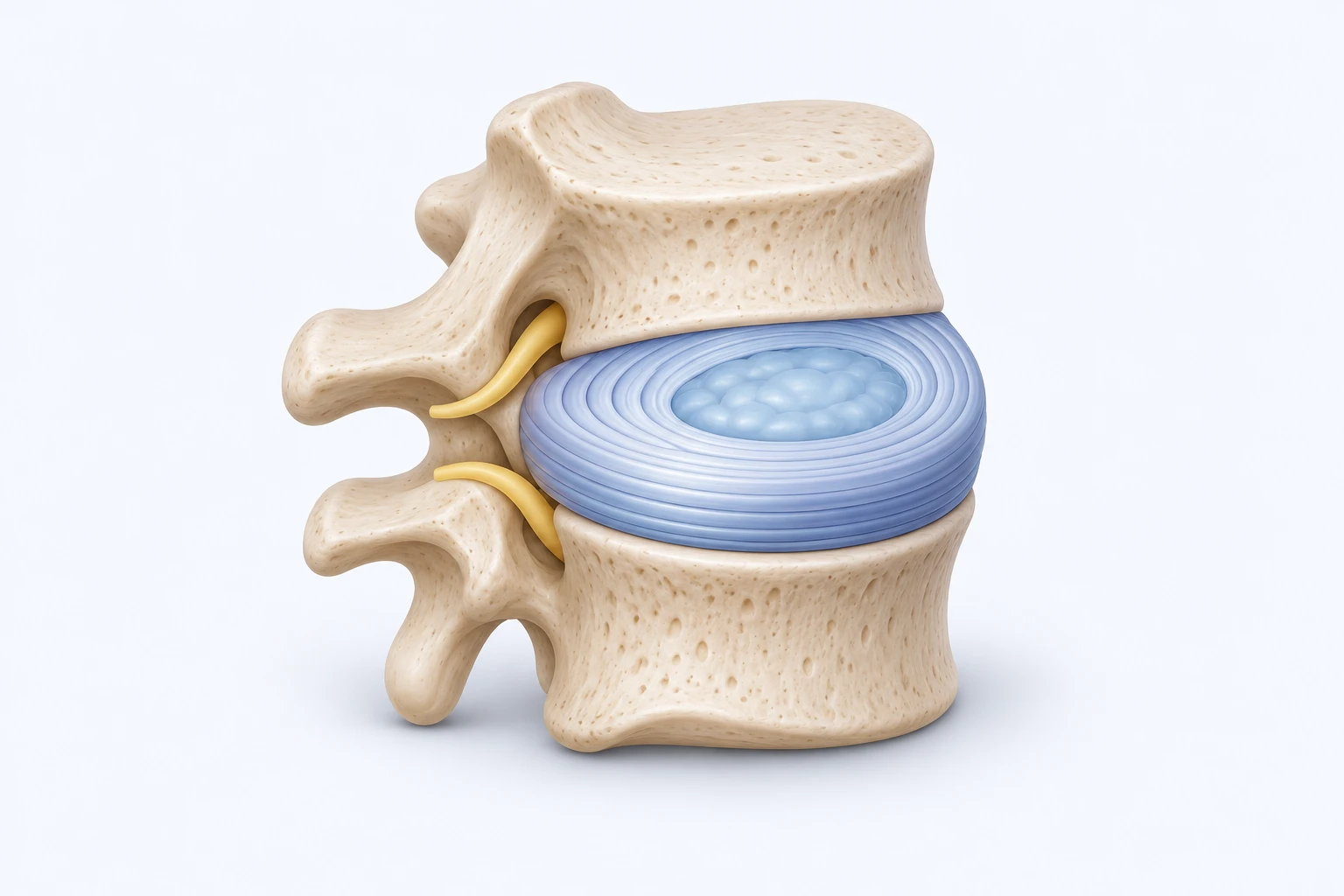
Intervertebral discs
Selected degenerative or post-traumatic damage to intervertebral discs.

Large joints
Selected degenerative changes in large joints, particularly in earlier stages of disease.

Degenerative damage
Selected musculoskeletal injuries for which biological treatment may be a suitable part of a comprehensive treatment plan.
03
TREATMENT PROCESS
From collection to targeted injection

01 Bone marrow collection
The required amount of the patient's own bone marrow is collected from the pelvic bone.
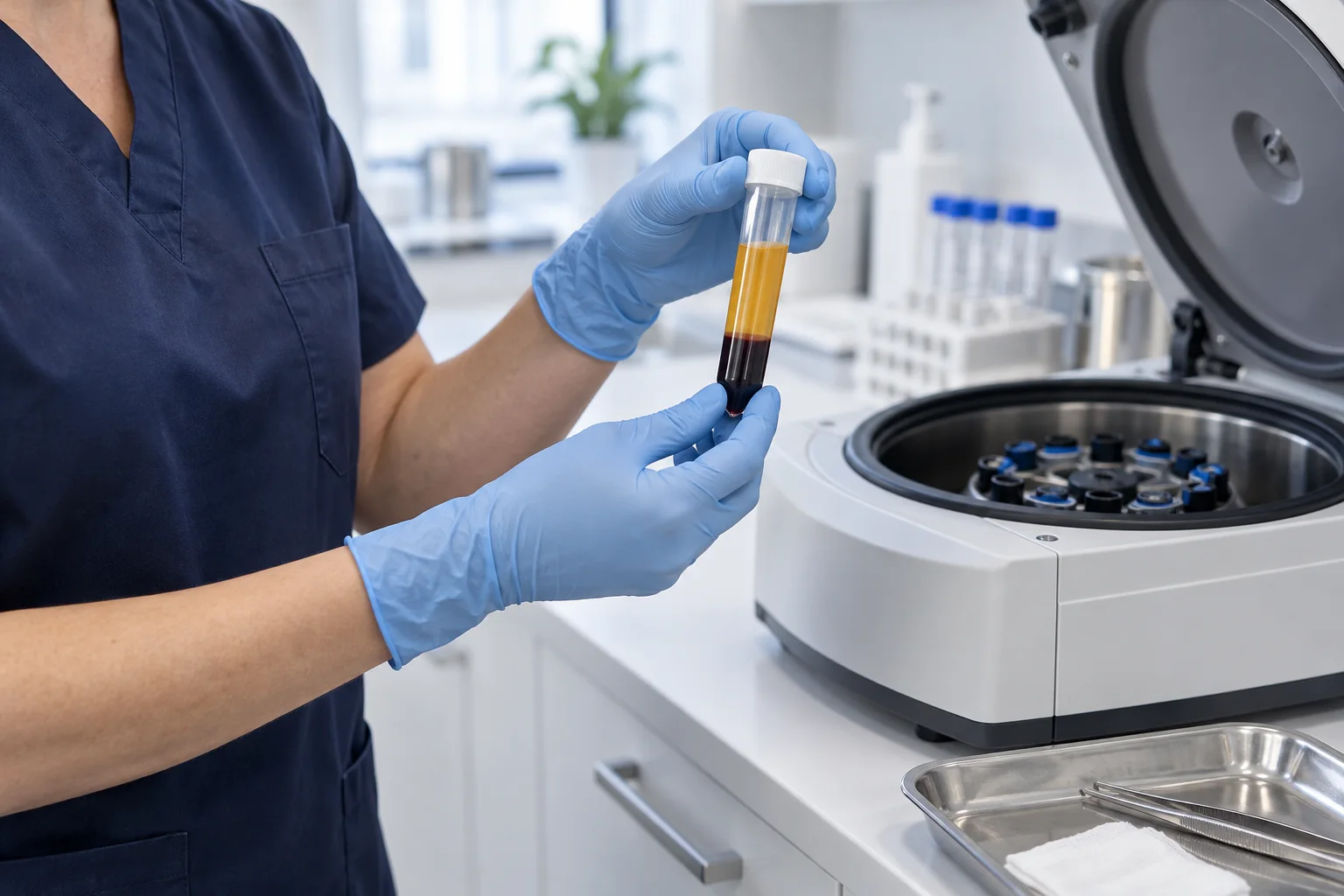
02 BMAC preparation
The collected material is processed in a special system to prepare a concentrate containing cellular and other bioactive components.
03 Targeted injection
The prepared concentrate is then injected into the treatment area under imaging guidance.
04
TREATMENT PRECISION
Precision through imaging guidance
Precise targeting of the treated anatomical structure is important when administering BMAC. Depending on the procedure, the doctor uses an appropriate imaging method to monitor the instrument's position and the injection site.
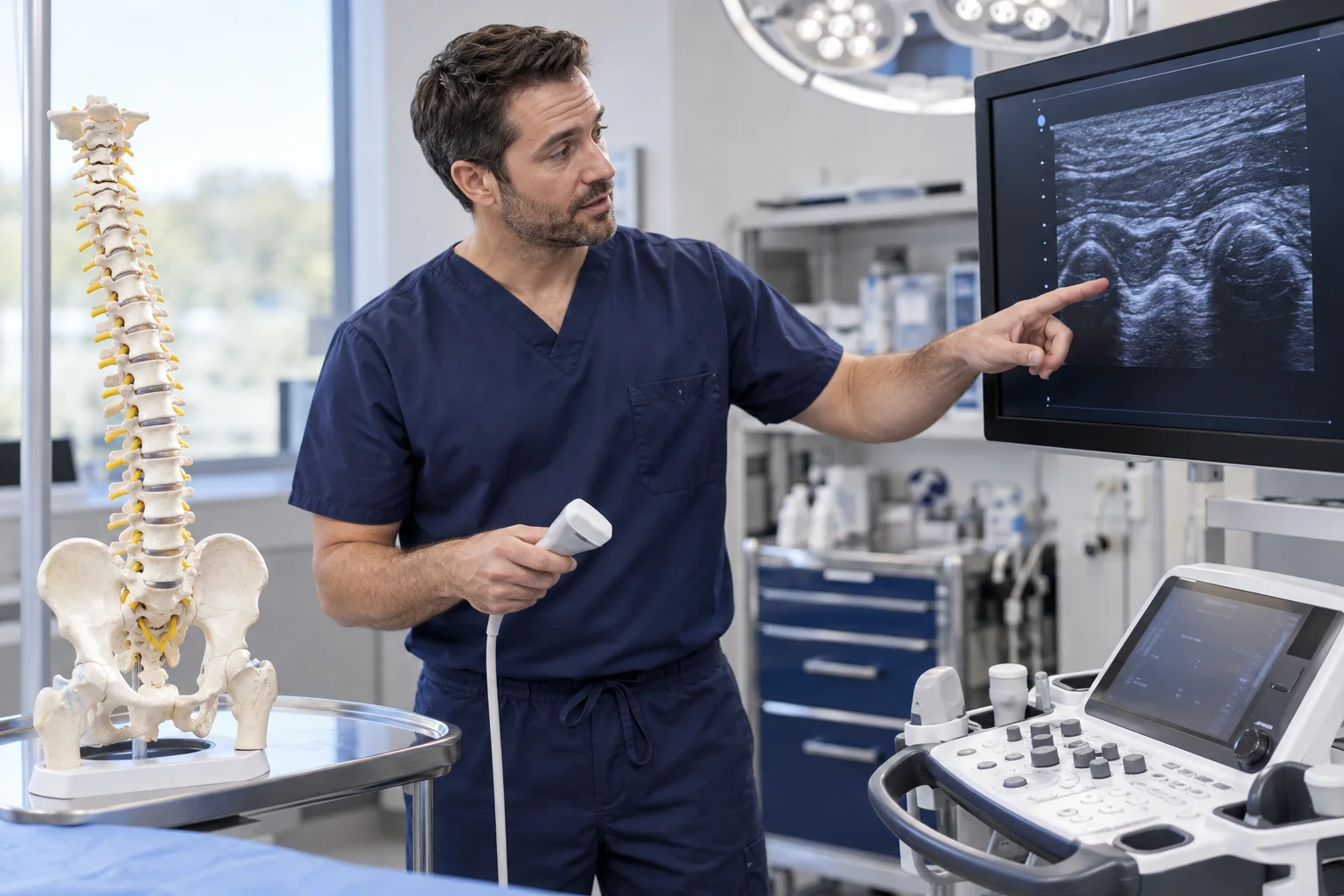
Ultrasound guidance
For selected joints and other peripheral structures.
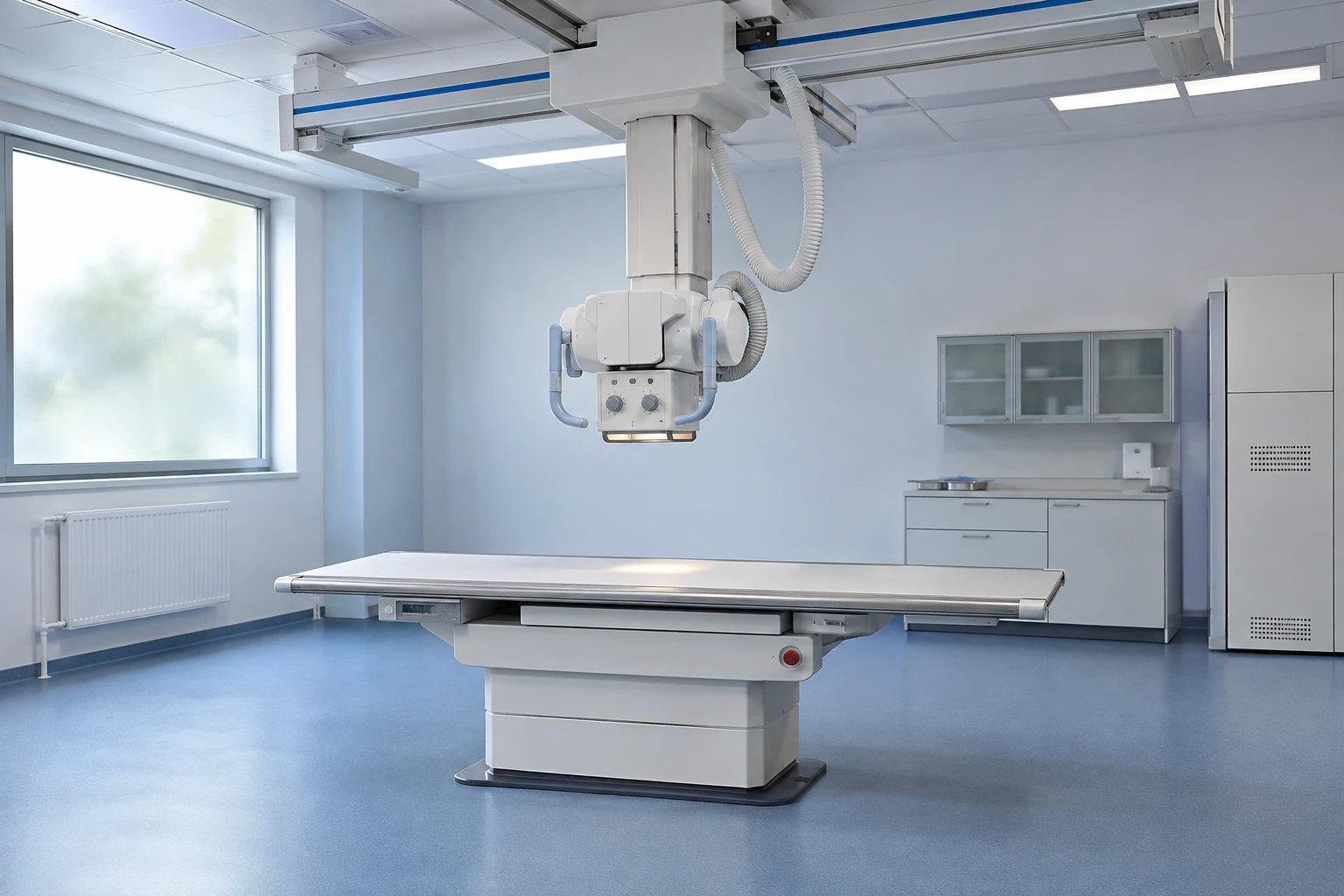
X-ray guidance
For deeper structures and selected spinal procedures.
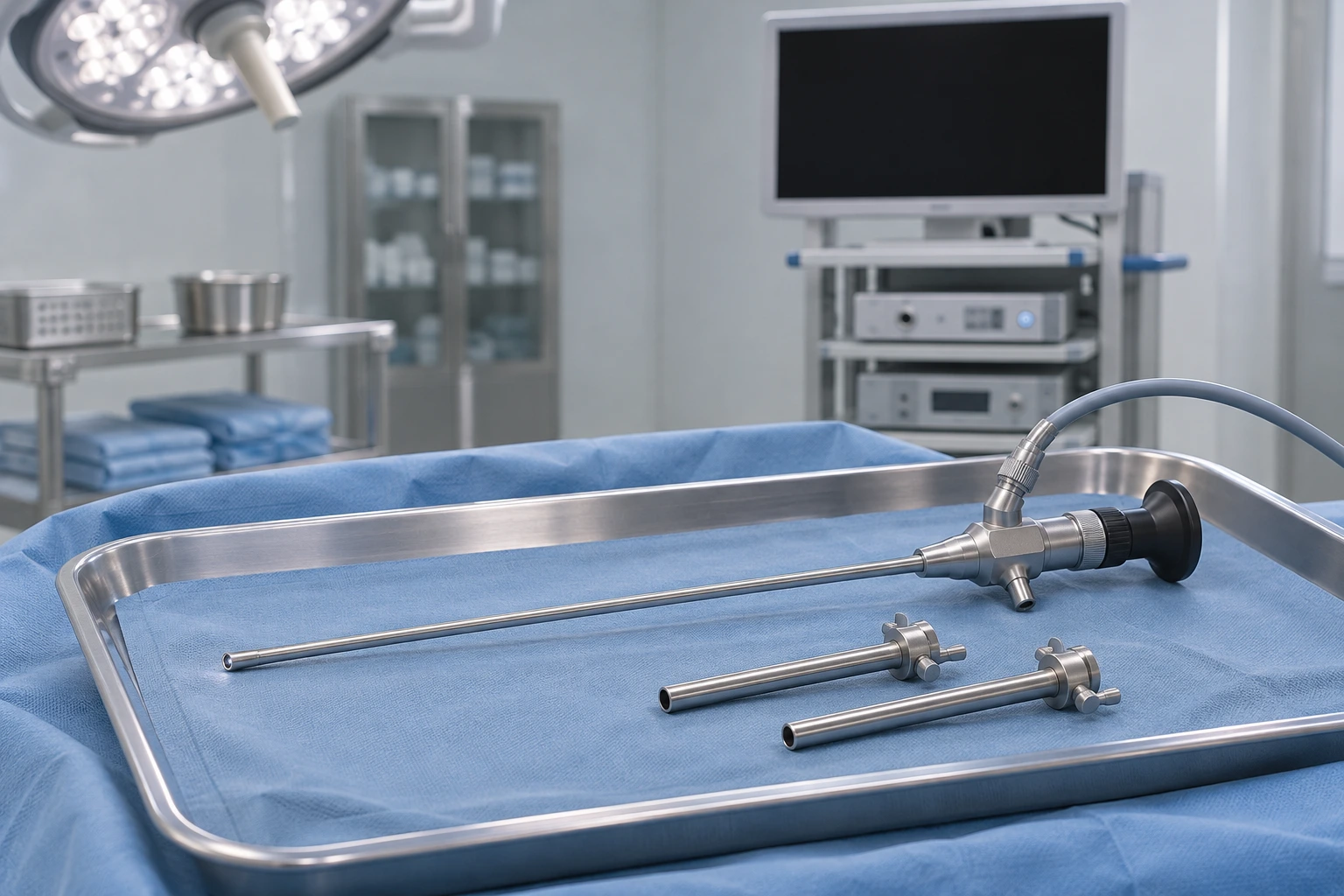
Endoscopic visualisation
For selected procedures where the treatment area can be visualised directly.
05
AFTER TREATMENT
Results develop gradually
BMAC is not a treatment with an immediate effect. Its aim is to influence the biological environment in the treated area and support natural healing and functional recovery.
The response to treatment is individual and depends on the diagnosis, extent of damage, the patient's biological condition and other factors.
Treatment

Biological response

Follow-up

Functional recovery
06
SAFETY
Is BMAC suitable for everyone?
No. Before treatment, a doctor assesses the diagnosis, overall health, medications and possible contraindications.
Because BMAC is prepared from the patient's own bone marrow, it is autologous biological material. However, both bone marrow collection and the subsequent injection are invasive procedures and may involve adverse effects or complications.
BMAC may be unsuitable, for example, in some bone marrow and blood-forming disorders, active infection or certain other serious conditions.
A doctor therefore always determines whether treatment is suitable after an individual examination.

07
FREQUENTLY ASKED QUESTIONS
What do patients most often want to know?
Is BMAC suitable for me?
Suitability for BMAC depends on the specific diagnosis, extent of damage and overall health. A doctor decides on the indication after examining the patient and reviewing the available medical records.
How should I prepare for the procedure?
You will receive specific instructions before the procedure, according to your health, medications and the planned type of intervention.
Is bone marrow collection painful?
Collection is performed with appropriate anaesthesia. The collection site may remain tender or painful for some time afterwards.
What is recovery like?
The regimen after the procedure depends on the treated area and type of intervention. The patient receives specific recommendations on loading, physical activity and any rehabilitation.
When can I expect results?
The biological response develops gradually. The timing and extent of the effect are individual and depend on the diagnosis and other factors.
What are the possible risks?
As with other invasive procedures, there is a risk of adverse effects and complications. The doctor discusses the specific risks and possible limitations with the patient before treatment.
Find out whether BMAC could be an option for you
A doctor will determine whether treatment is suitable based on your symptoms, diagnosis, health and available medical records.
