WHERE DOES IT HURT?
Modic changes of the spine
Lower back pain associated with changes in the vertebrae
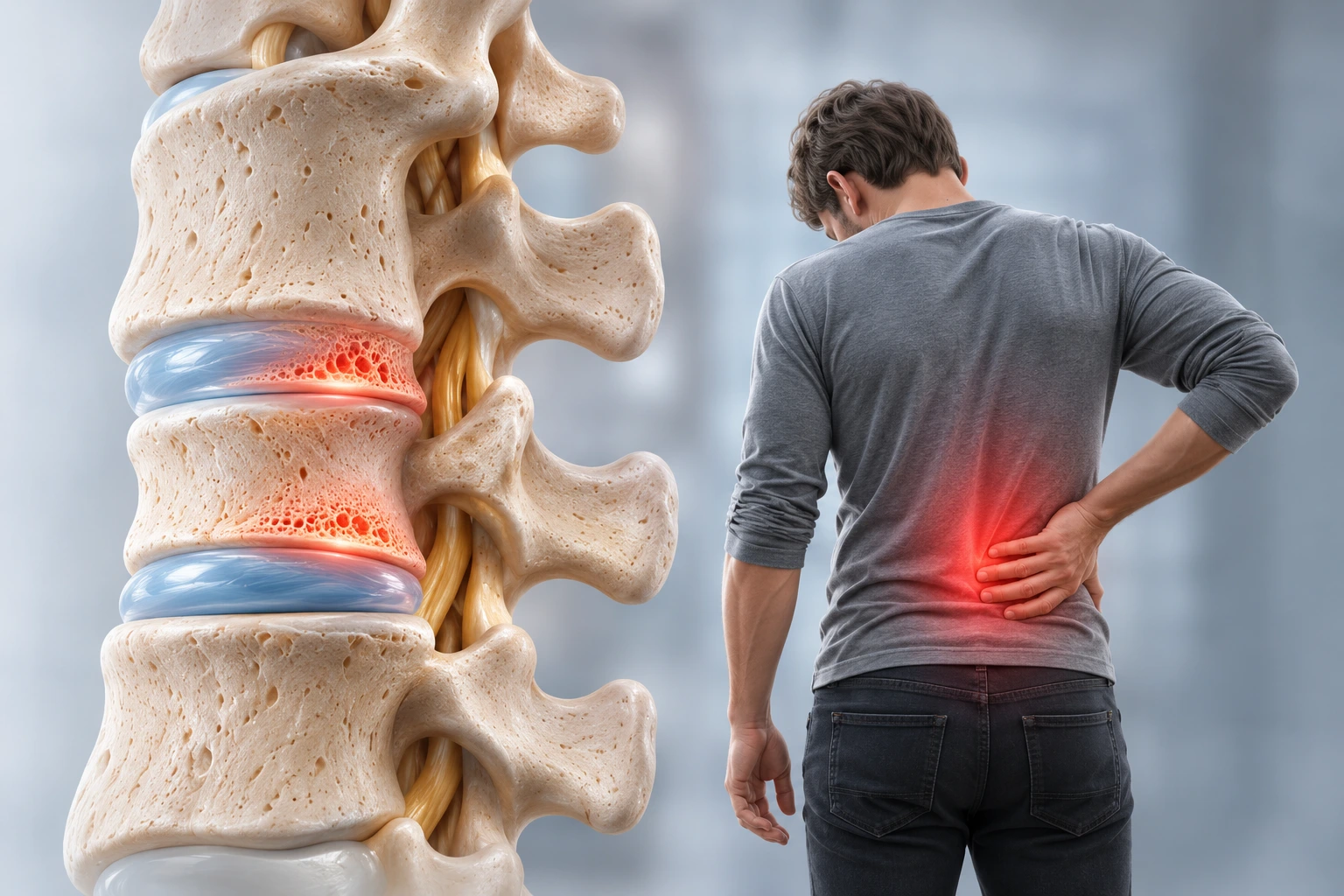
Modic changes are specific findings on magnetic resonance imaging (MRI) that describe changes in vertebral bone marrow near the intervertebral discs. They are most commonly seen in the lumbar spine. In some patients they may be associated with chronic lower back pain, while in others they occur without significant symptoms.
Accurate assessment of the cause of pain requires specialist examination and comparison of symptoms with imaging results.
01 – What are Modic changes?
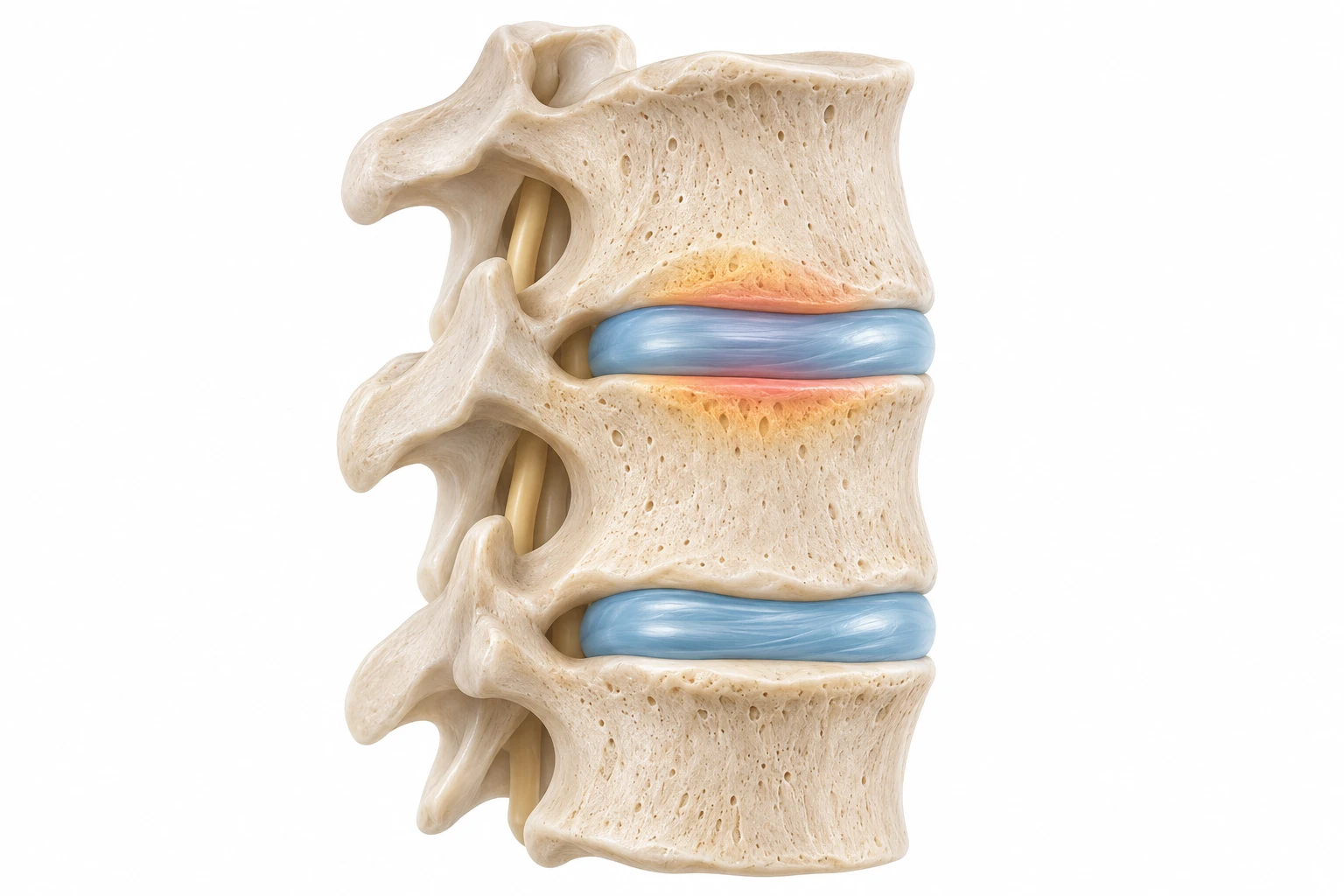
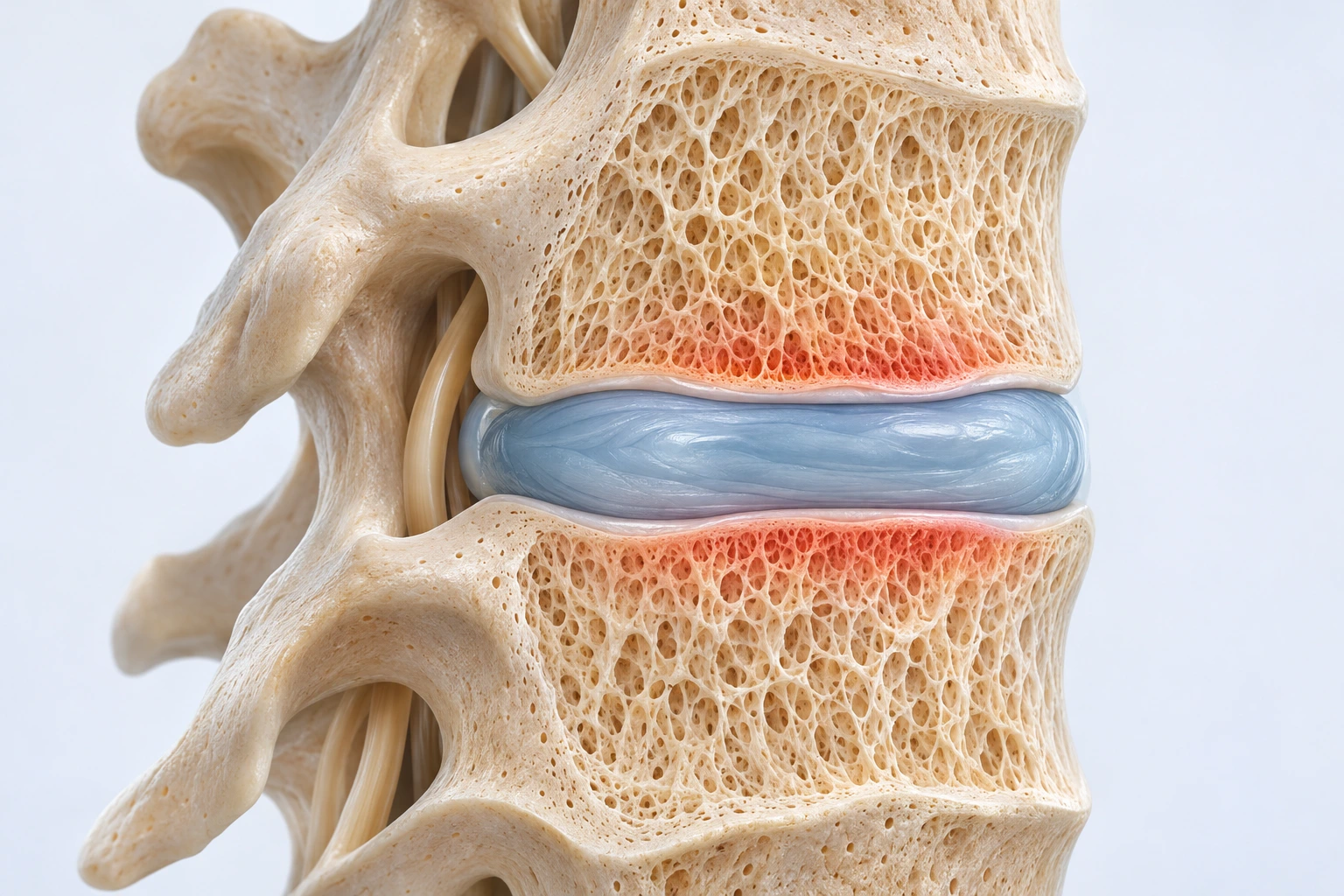
Modic changes describe changes in the bone marrow signal near the vertebral endplates that can be distinguished on MRI. They often occur alongside degenerative changes in the intervertebral discs. However, the finding alone does not prove that these changes are the source of pain.
Modic type 1
A finding associated with oedema and inflammation-like changes in the bone marrow. Some studies associate it more frequently with lower back pain, but the relationship is not the same in every patient.
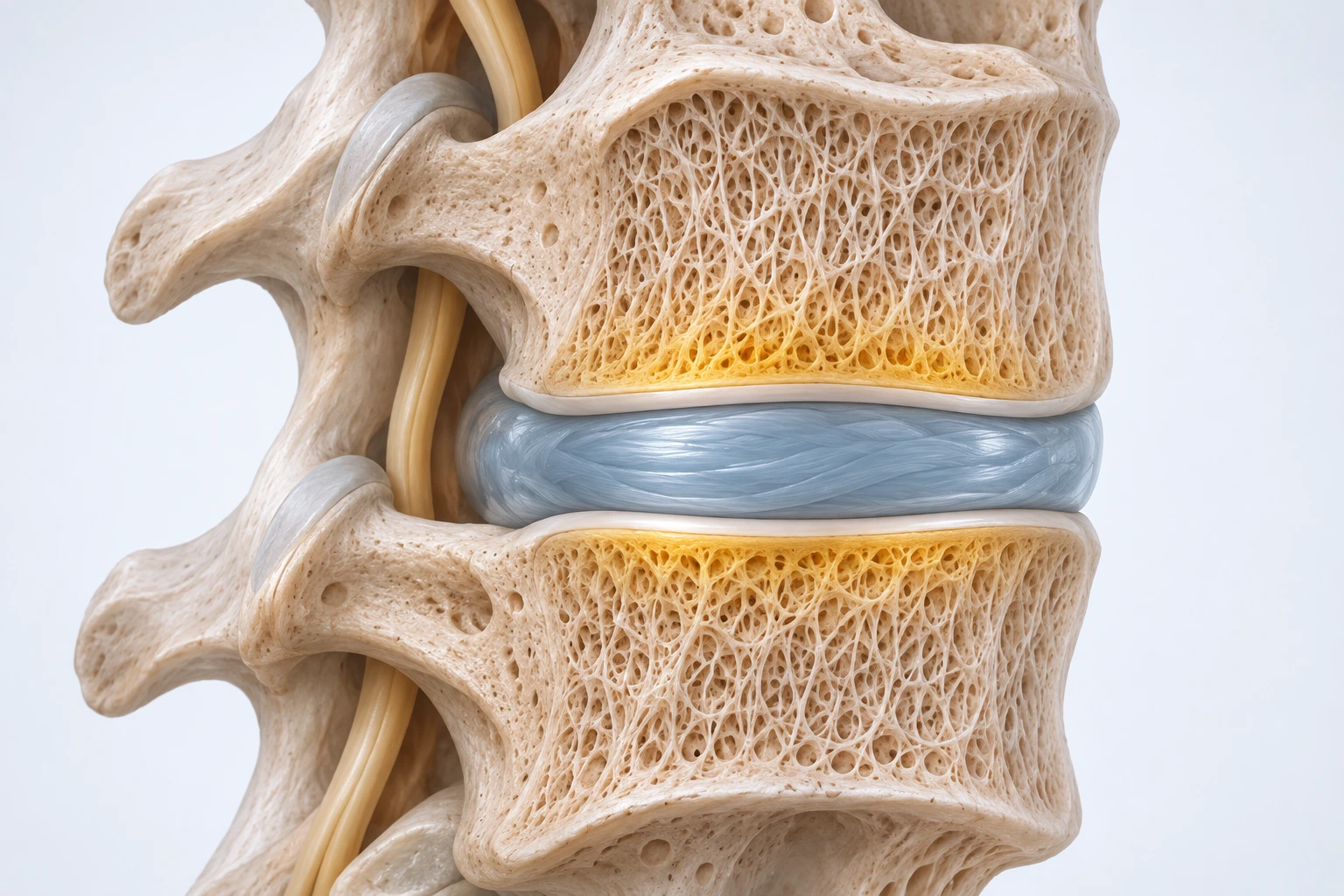
Modic type 2
A finding characterised by fatty replacement of the bone marrow. It may occur with chronic degenerative spinal changes and may cause no symptoms.
02 – What symptoms may accompany Modic changes?
When Modic changes form part of a painful spinal condition, a patient may experience persistent or recurrent lower back pain, stiffness and restricted movement. Symptoms sometimes worsen with certain movements, prolonged sitting or physical activity. These symptoms are not specific to Modic changes.
- Chronic or recurrent lower back pain
- Stiffness and reduced mobility
- Worsening pain in certain positions or during physical activity
- Difficulty with everyday activities
Important: New urinary problems, loss of sensation around the groin or rapidly worsening muscle weakness require immediate medical assessment.
03 – Diagnosis: how is the cause of pain identified?
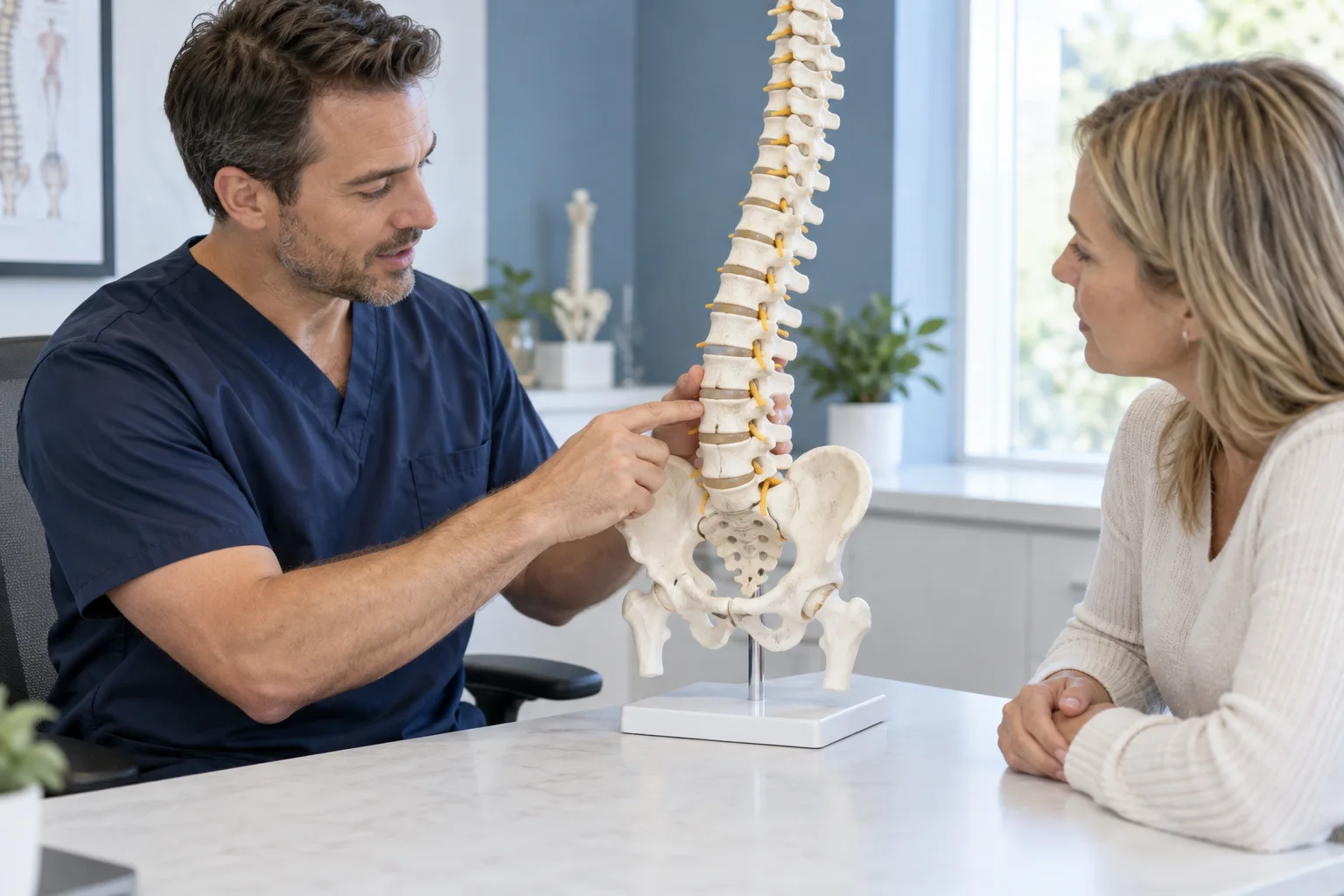
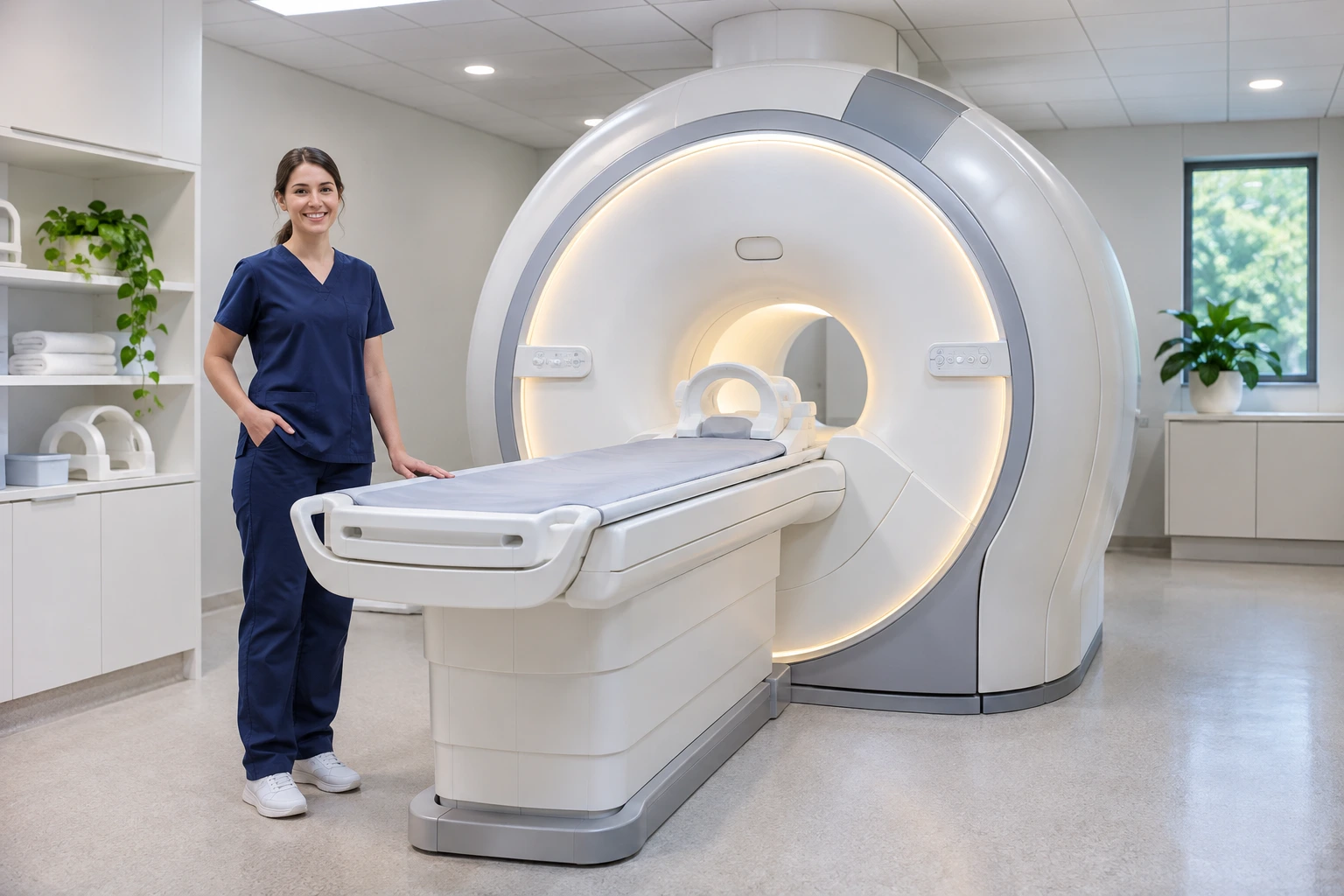
The doctor first assesses the nature of the pain, duration of symptoms, neurological status and previous treatment. MRI can distinguish the type of Modic changes and assess the intervertebral discs and other spinal structures. The finding is always interpreted in the context of the clinical examination; not every patient with Modic changes needs a specific intervention.
- Clinical and neurological examination
- Magnetic resonance imaging (MRI) and other examinations where needed
- Assessment of how the findings correspond to symptoms and a proposed individual approach

04 – Regenerative treatment options for Modic changes

PRP – platelet-rich plasma
Biological treatment using PRP (platelet-rich plasma) is also being investigated in selected patients with chronic lower back pain and Modic changes. PRP is prepared from the patient’s own blood and contains concentrated platelets and biologically active substances. For this indication, there is not yet sufficient evidence that PRP can eliminate Modic changes or provide a reliable long-term effect. It is not a generally established standard treatment for Modic changes.
An individual combined approach
In selected patients, a doctor may consider combining a biological approach with appropriate interventional pain methods, physiotherapy and other measures. The specific plan depends on clinical findings, possible other sources of pain, previous treatment and available evidence. We do not describe individual interventional procedures separately on this patient page.
05 – Why choose an EIRM-certified clinic?
EIRM certification applies to a defined scope of professional procedures and assesses requirements for quality, safety, staffing and standardisation. Certification alone is not a guarantee of treatment success or evidence of the effectiveness of a particular biological method. Independent clinics provide diagnosis and healthcare, not EIRM.
06 – Frequently asked questions
What do Modic changes on MRI mean?
They are changes in the bone marrow near the vertebral endplates. MRI can distinguish their type, but the finding alone does not determine the source of pain.
Are Modic changes always the cause of pain?
No. They also occur in people without pain. A doctor must assess the significance of the finding together with symptoms and other examinations.
What is the difference between type 1 and type 2?
Type 1 is associated with oedema and inflammation-like changes, while type 2 involves fatty replacement of the bone marrow.
Is PRP suitable for every patient?
No. For this indication, PRP is an investigational method with uncertain effectiveness. The treating doctor assesses suitability and the legality of its use.
Can PRP eliminate Modic changes?
Reliable elimination of Modic changes using PRP has not been clinically demonstrated.
Are you troubled by chronic lower back pain?
Choose from the list of EIRM-certified clinics and book a specialist consultation. A doctor will assess your symptoms, MRI findings and suitable options for further care.