
WHERE DOES IT HURT?
Lower back – SI joint
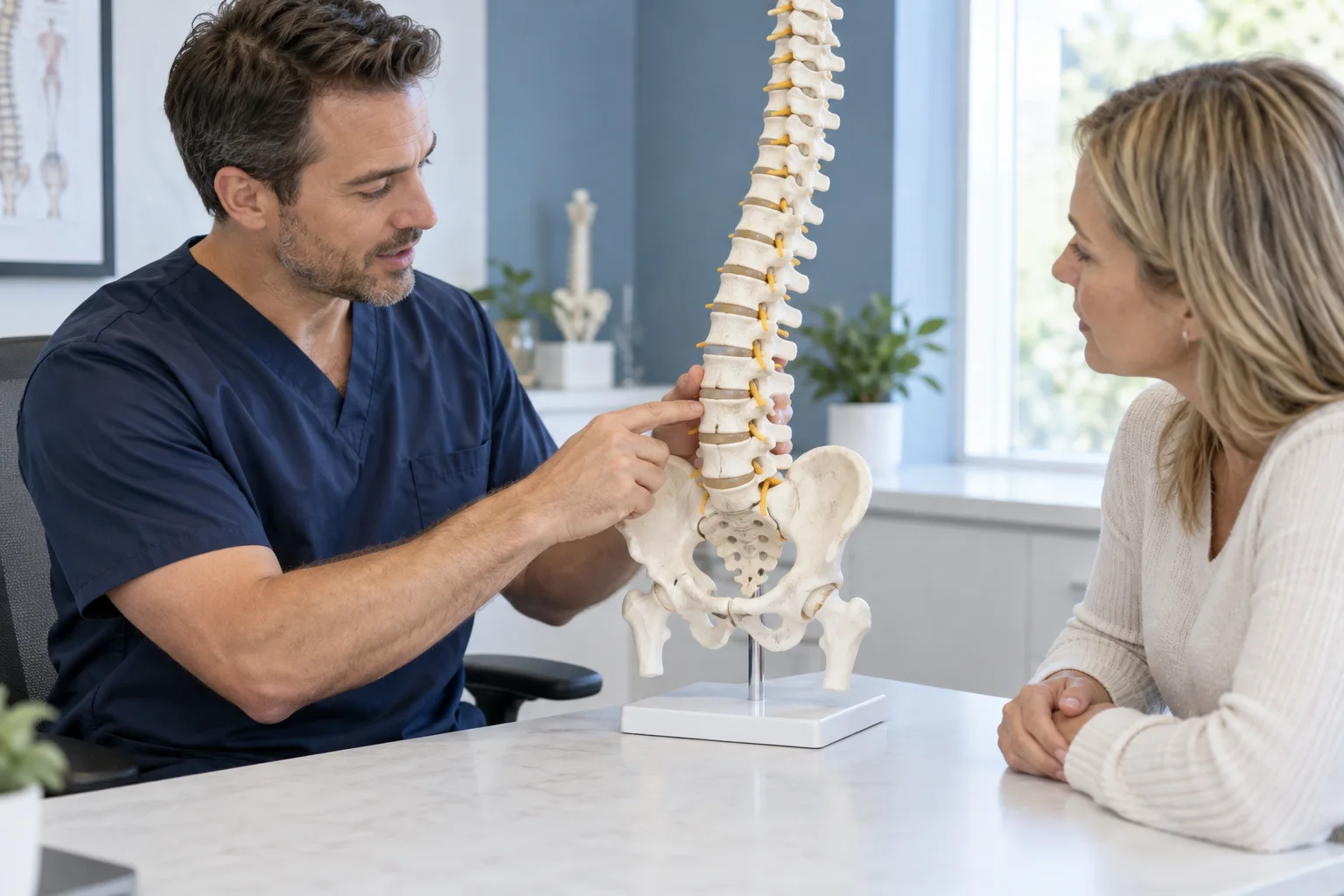
Pain in the lower back or buttock may be related to the sacroiliac (SI) joint. This joint connects the sacrum to the pelvis and helps transfer loads between the spine and lower limbs. Symptoms may arise from changes in the joint or its ligaments, or from impaired load transfer. However, other spinal and hip conditions may cause similar symptoms. Specialist examination and individual treatment selection are therefore important.
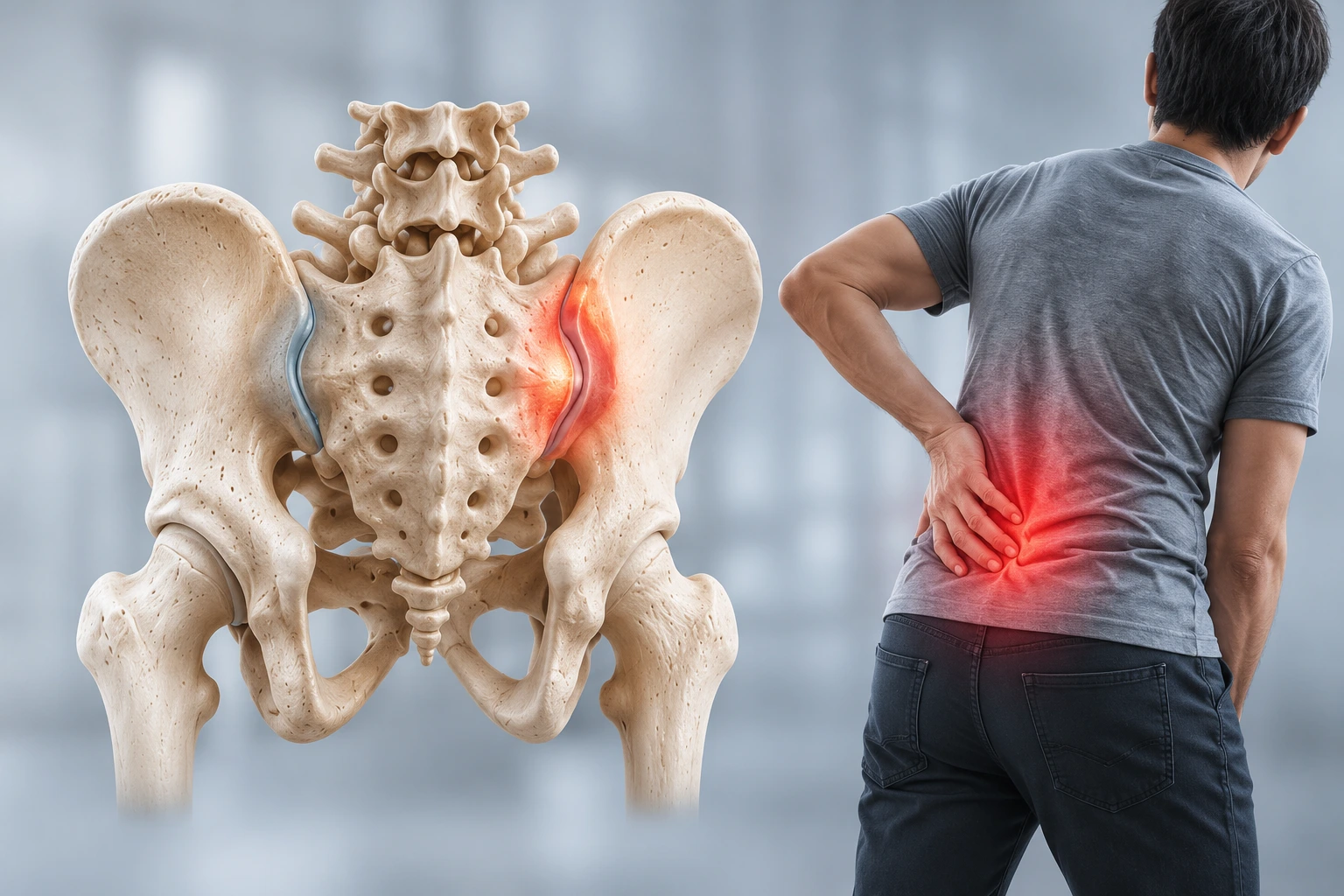
What is the SI joint?
The sacroiliac joints lie on both sides of the sacrum, connecting it to the pelvic bones. They have only a small range of movement but play an important role in pelvic stability and load transfer. Pain may be related to mechanical overloading, degenerative changes or inflammatory disease. Imaging changes alone do not necessarily identify the source of pain.
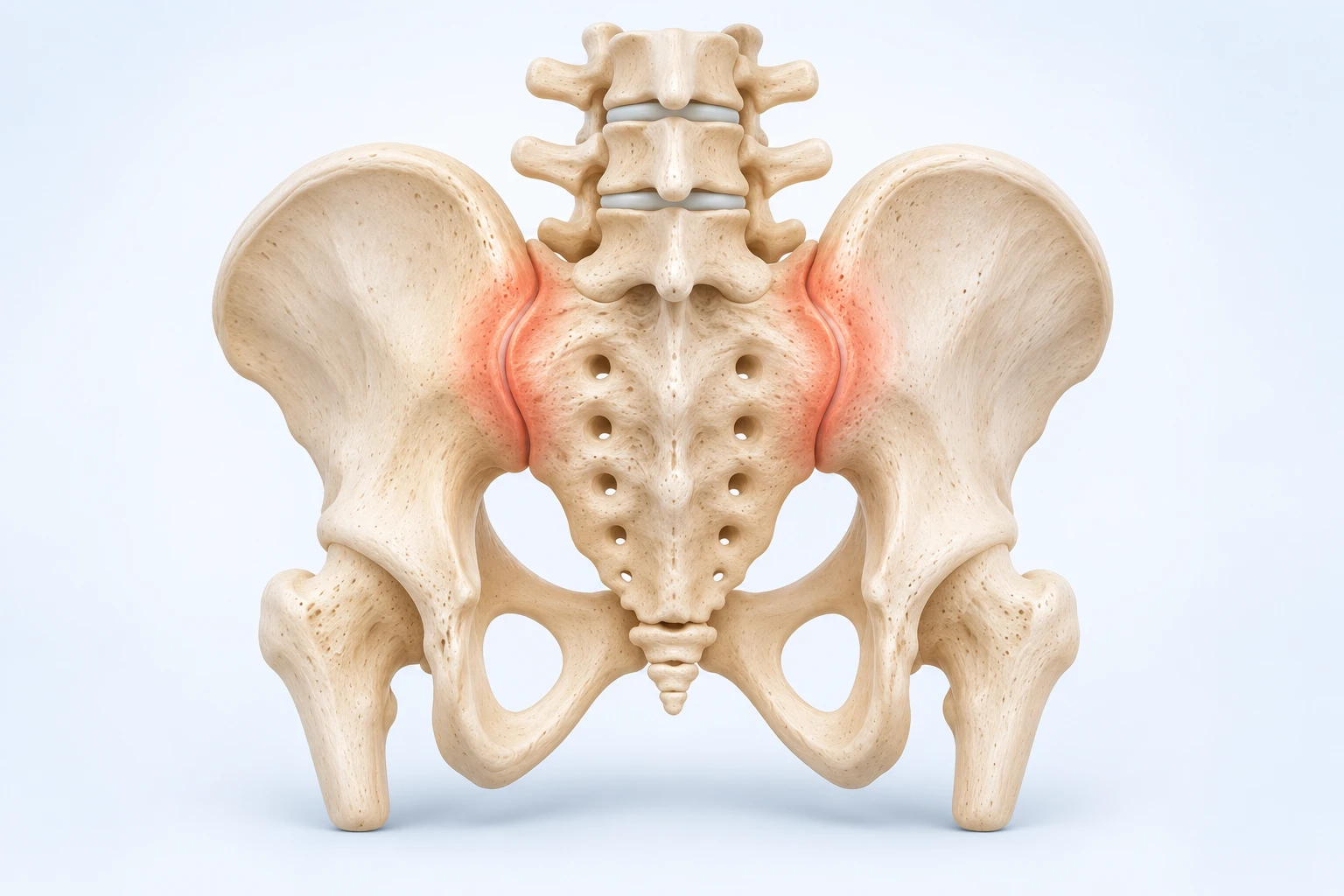
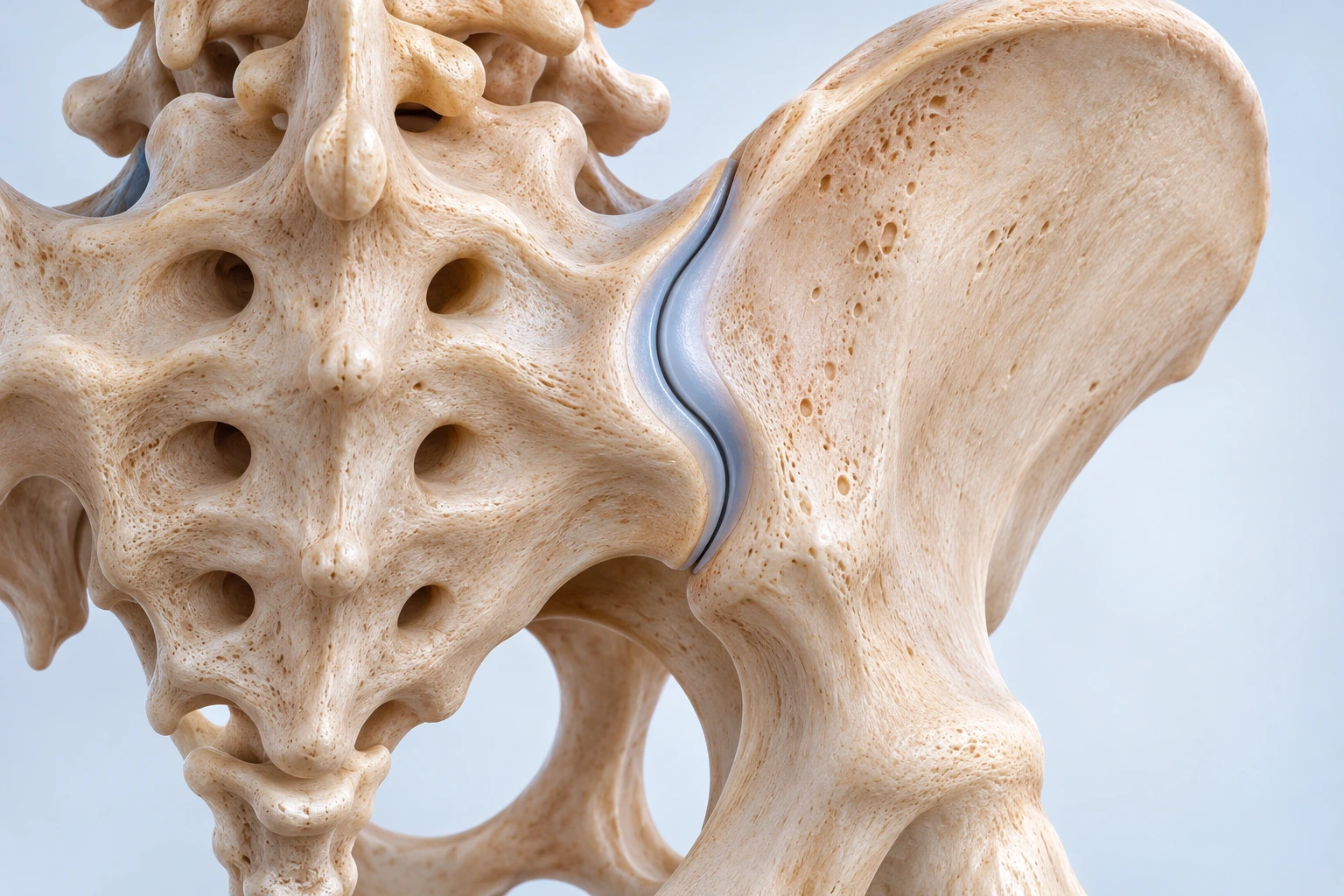
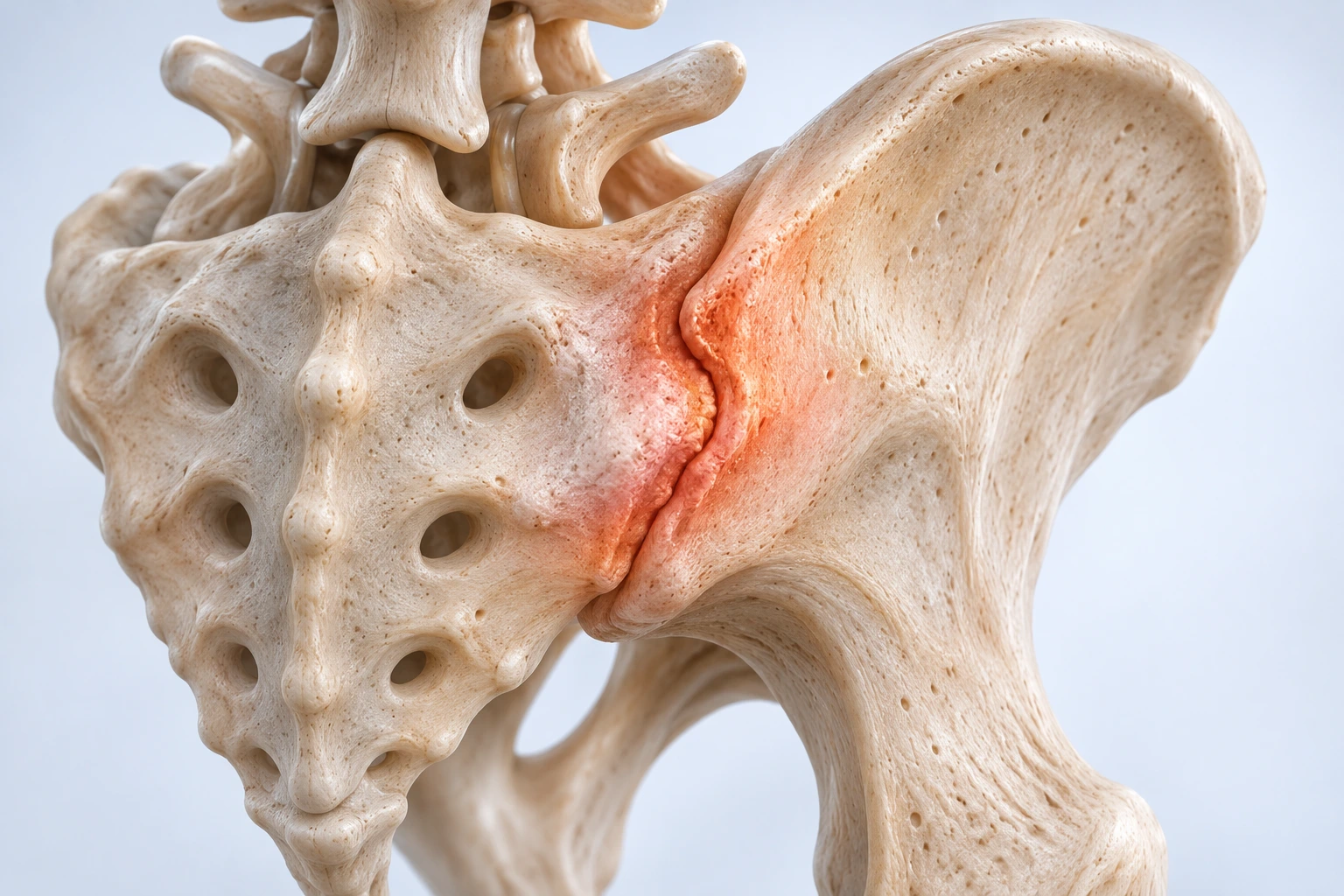
What symptoms can it cause?
Pain typically occurs in the lower back, often more on one side, or in the buttock. It sometimes spreads into the thigh, but its characteristics can overlap with other diagnoses. Symptoms may worsen with prolonged standing, walking, rising from a seat or turning in bed. Symptoms alone do not confirm the diagnosis.
Warning: New urinary problems, numbness around the groin or rapidly worsening weakness require urgent medical assessment.
Diagnosis – how is the cause of pain identified?
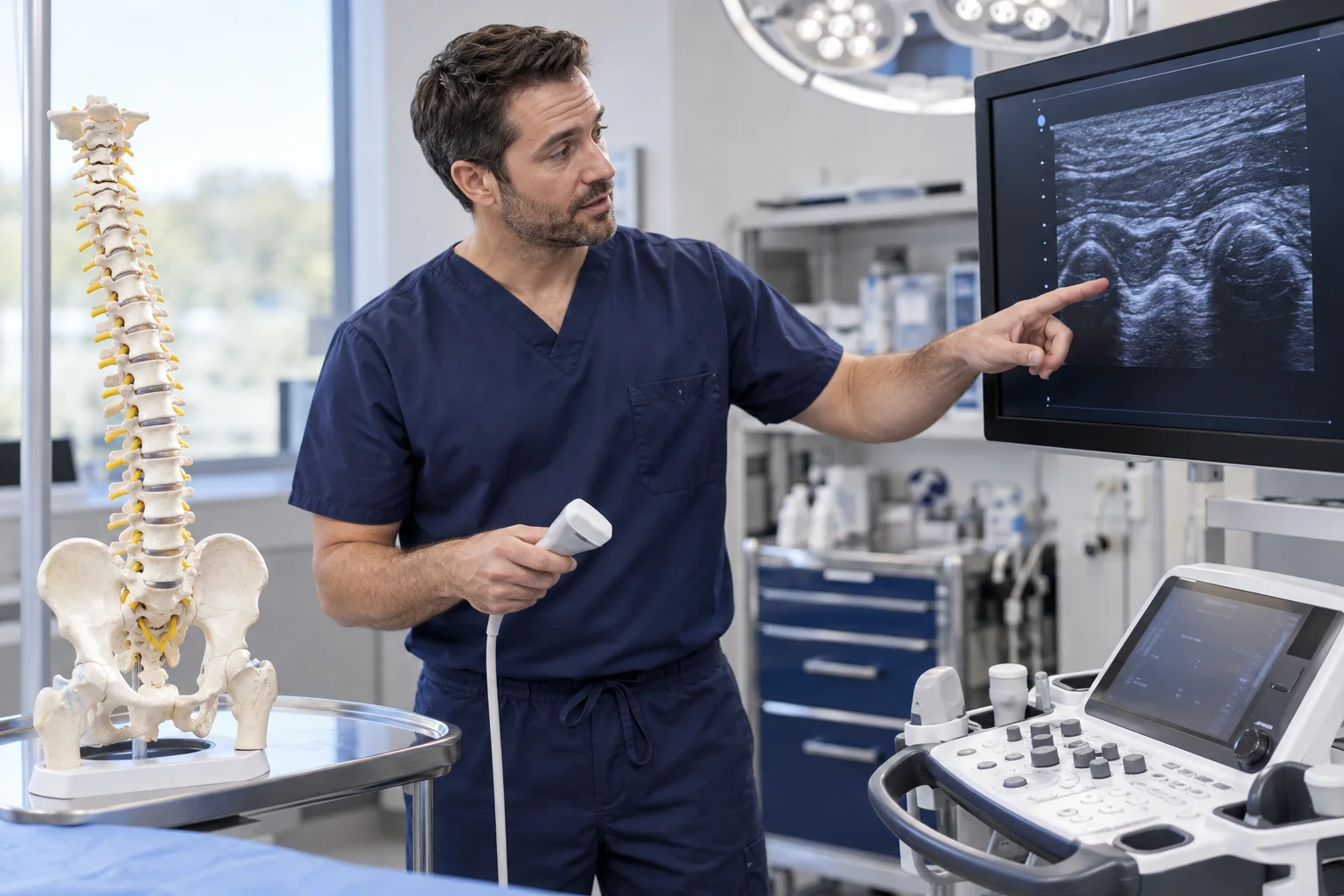
The doctor assesses the course of symptoms, neurological status, hips and spine. The examination may include several SI joint provocation tests. MRI, CT or X-rays are used according to clinical need, mainly to assess alternative causes or suspected inflammatory disease. In selected patients, an image-guided anaesthetic SI joint block may contribute to diagnosis; however, it also has diagnostic limitations.
Regenerative treatment options for the SI joint
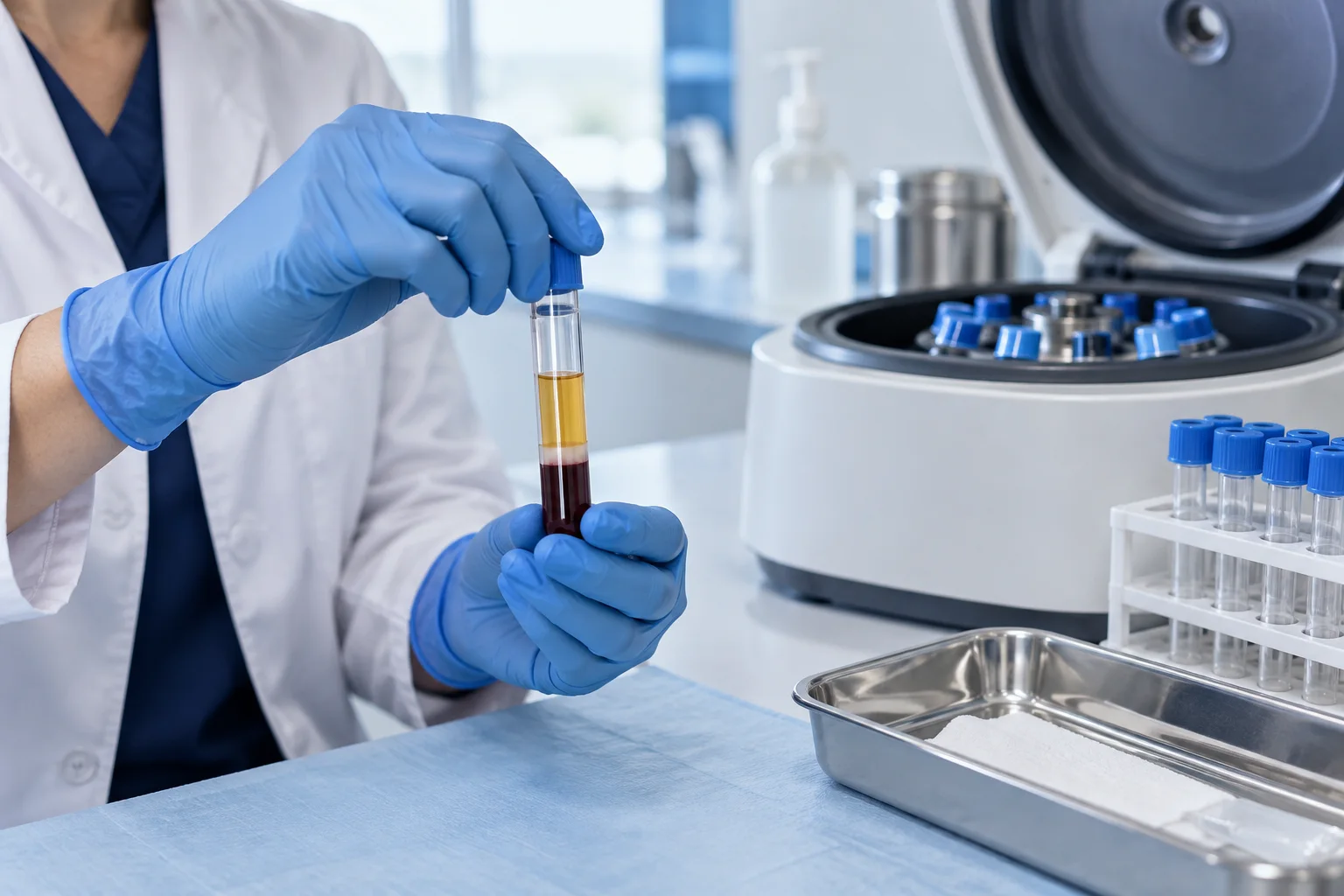
PRP – platelet-rich plasma
PRP is a biological preparation obtained from the patient’s own blood. It contains concentrated platelets and associated biologically active components. Its use in selected painful SI joint conditions is being investigated. The available clinical evidence is still limited and does not demonstrate reliable joint regeneration or a guaranteed long-term effect. PRP is not a universally established standard treatment for SI joint pain.
An individual and combined approach
When appropriately indicated, a doctor may consider PRP as part of a broader plan that includes rehabilitation, lifestyle and activity measures, and interventional pain procedures where needed. We do not describe individual procedures separately on this page. The choice depends on confirming the source of pain, previous treatment and the patient’s overall condition.

Why choose an EIRM-certified clinic?
EIRM certification applies to a specific scope of procedures and workplaces. It aims to support professional and quality requirements, safety procedures and transparent patient information. Certification alone does not guarantee the effectiveness of a particular therapy or a treatment outcome. Independent clinics provide healthcare, not EIRM.
Frequently asked questions
How can I tell whether pain comes from the SI joint?
Assessment is based on clinical examination and consideration of other possible sources of pain; targeted diagnostic procedures are added where needed.
Is PRP suitable for every patient?
No. A doctor must assess suitability individually; the effectiveness of PRP for SI joint pain has not been sufficiently confirmed.
How long does the effect of PRP last?
The duration of the effect cannot be reliably predicted. Available studies are small and their results are inconsistent.
Can treatment be combined with rehabilitation?
Yes, individual rehabilitation and an appropriate exercise programme may form part of the overall treatment plan.
Specialist consultation
Are you troubled by lower back pain? Choose from the list of EIRM-certified clinics and book a specialist consultation.
EIRM is a professional and certification institution, not a healthcare provider.