WHERE DOES IT HURT?
Spine – intervertebral discs
A herniated disc, degenerative changes and spinal pain
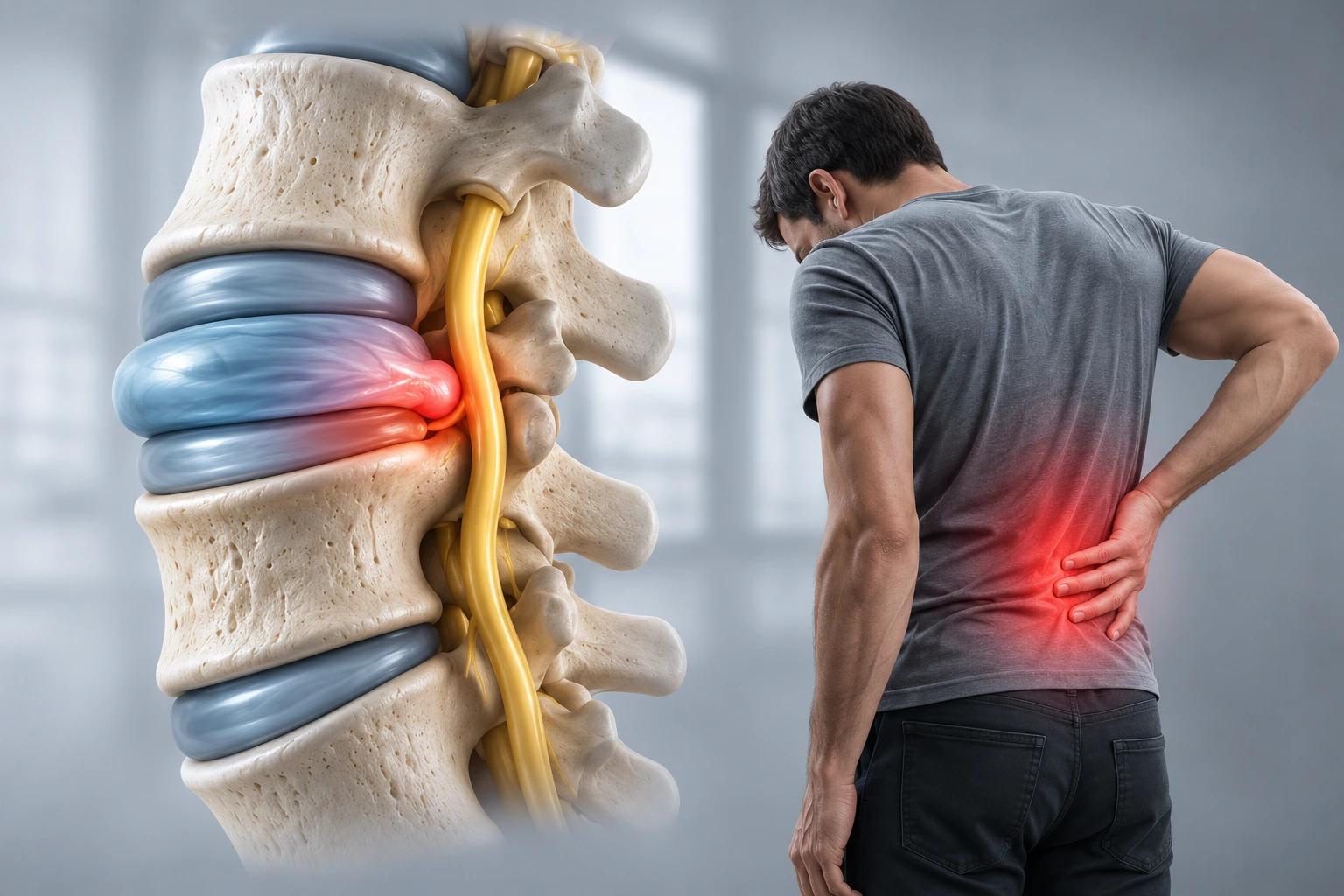
Intervertebral disc conditions may be associated with lower back or neck pain, restricted movement and sometimes pain radiating into a limb. Accurate diagnosis helps distinguish whether symptoms originate in a disc, nerve root or another structure.
At EIRM-certified clinics, treatment options are assessed individually. For selected degenerative disc conditions, a specialist consultation may also consider BMAC biological therapy, whose effectiveness remains under investigation.
01 | What are intervertebral discs?
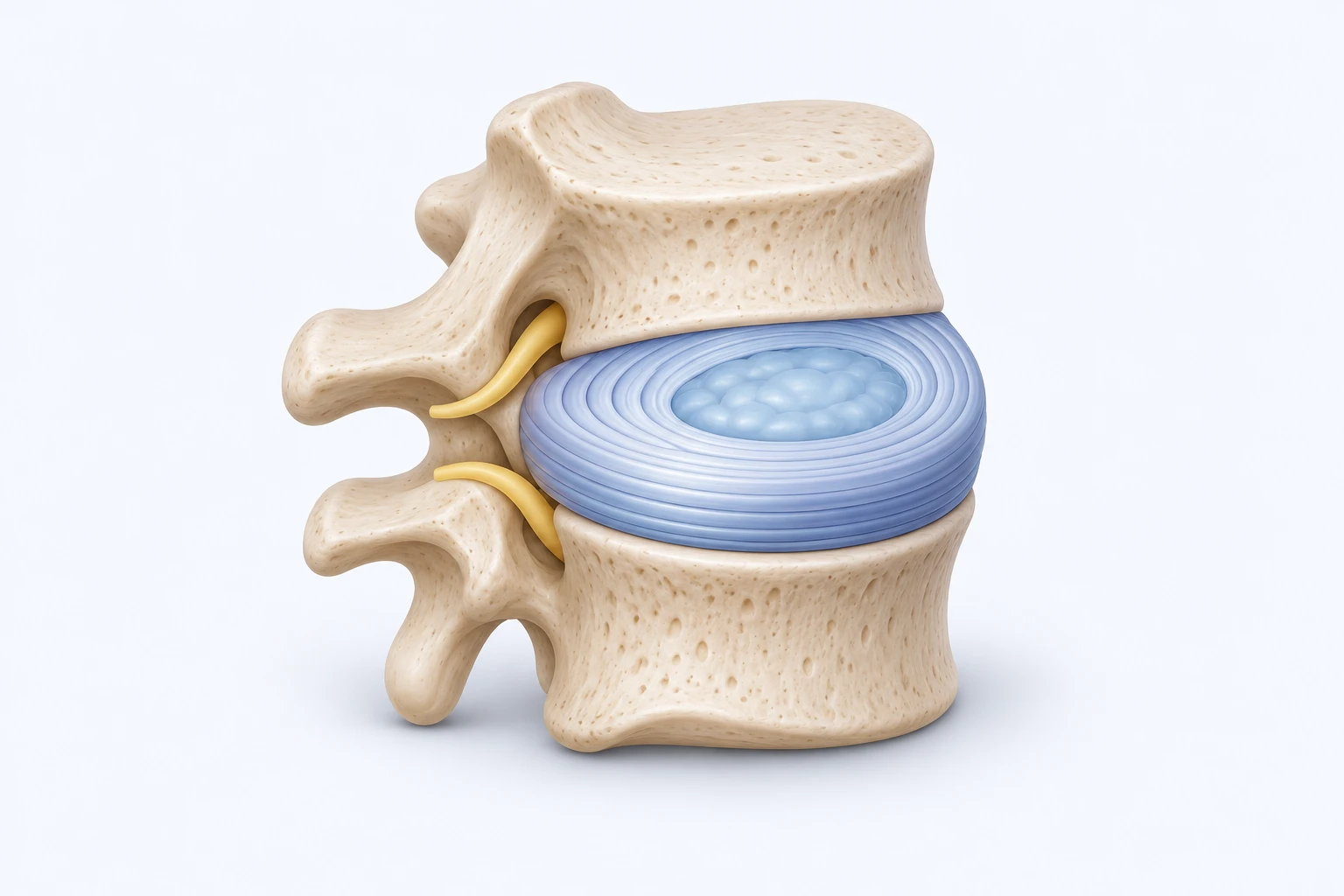
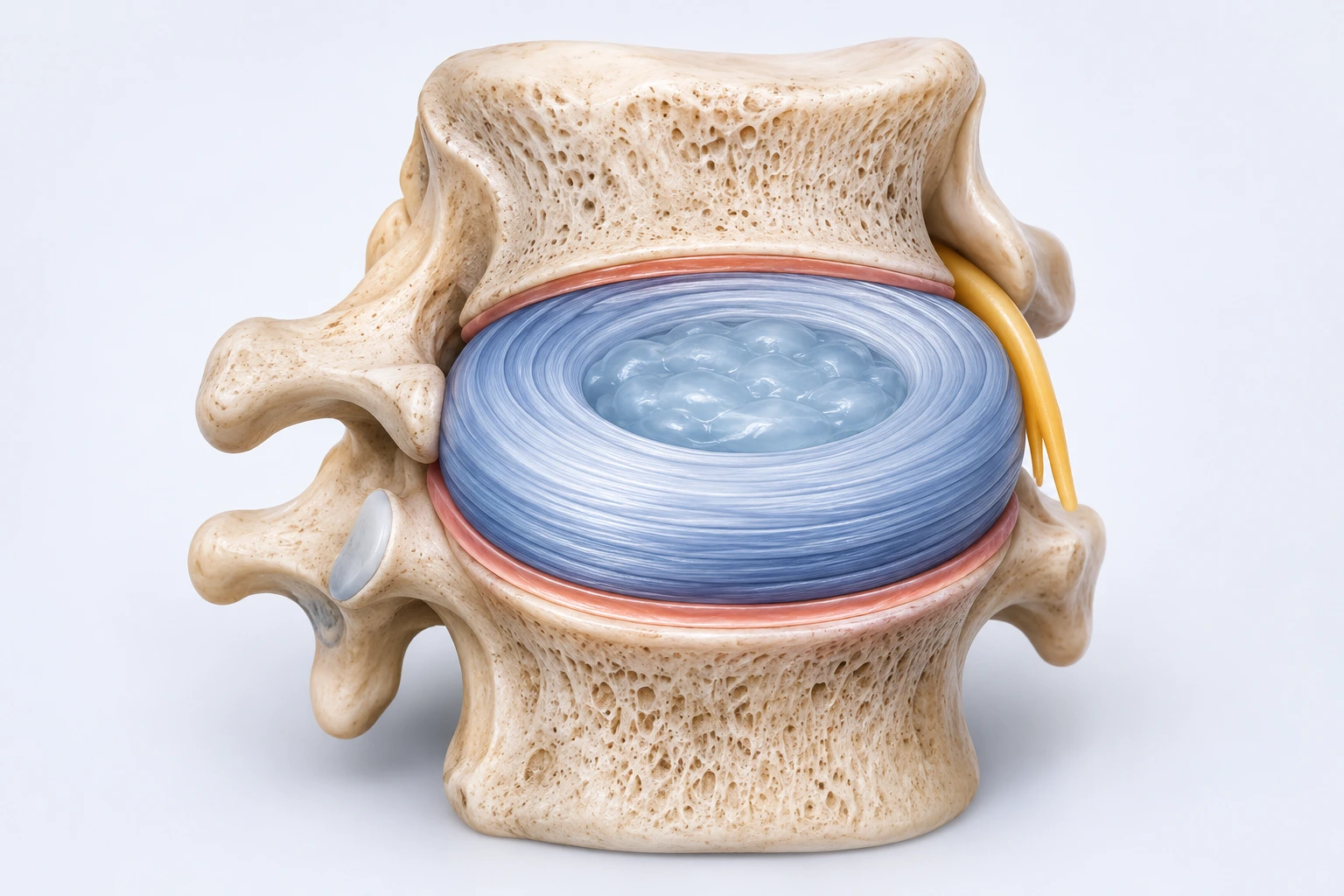
Intervertebral discs are flexible structures between the vertebrae. An outer fibrous ring surrounds a softer inner core. Discs help transfer loads and allow spinal movement.
Degeneration may change a disc’s hydration, height and mechanical resilience. A protrusion is a type of herniation in which disc material bulges out; in an extrusion, part of it extends further. These findings do not always cause pain.
Healthy disc
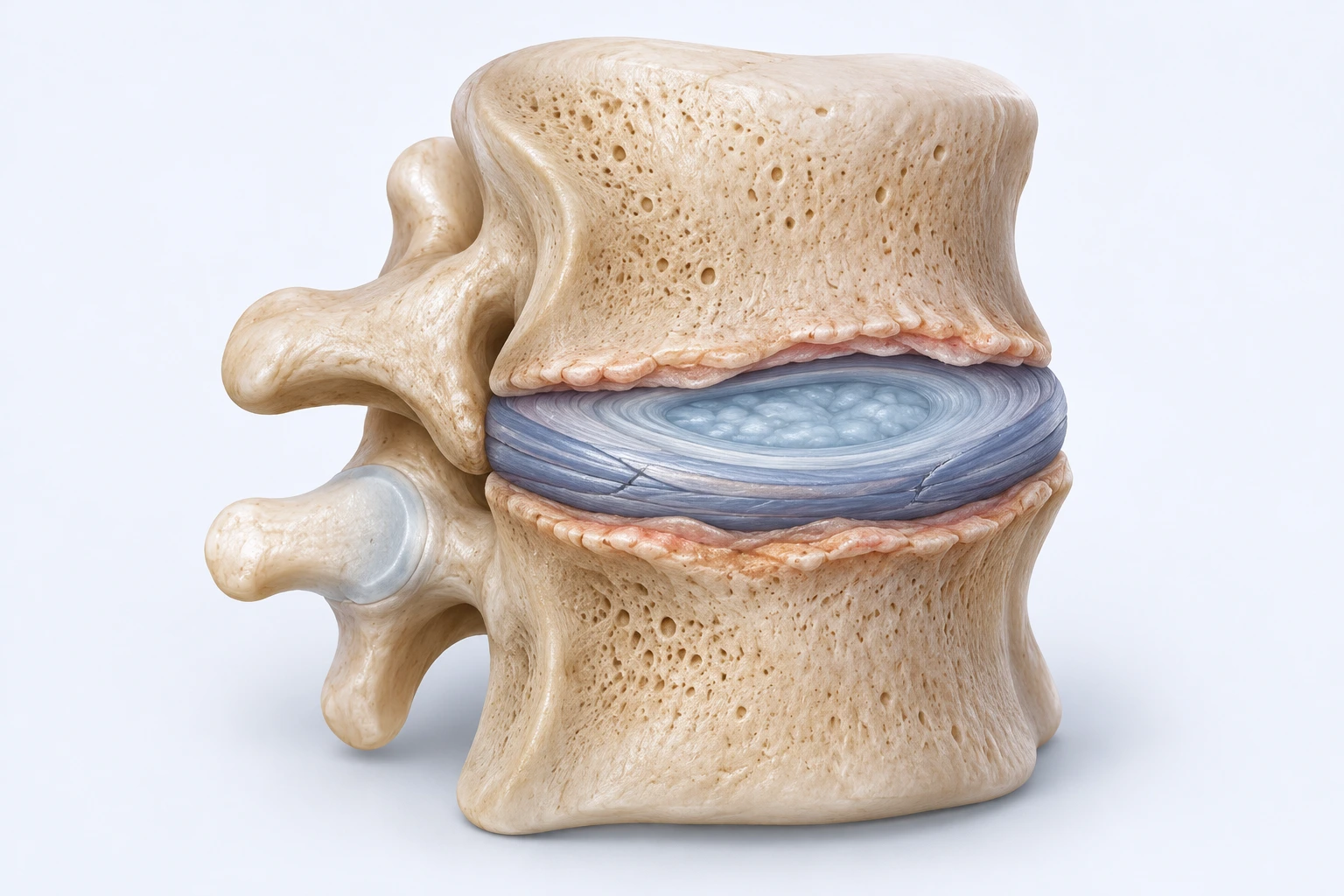
Degenerative changes
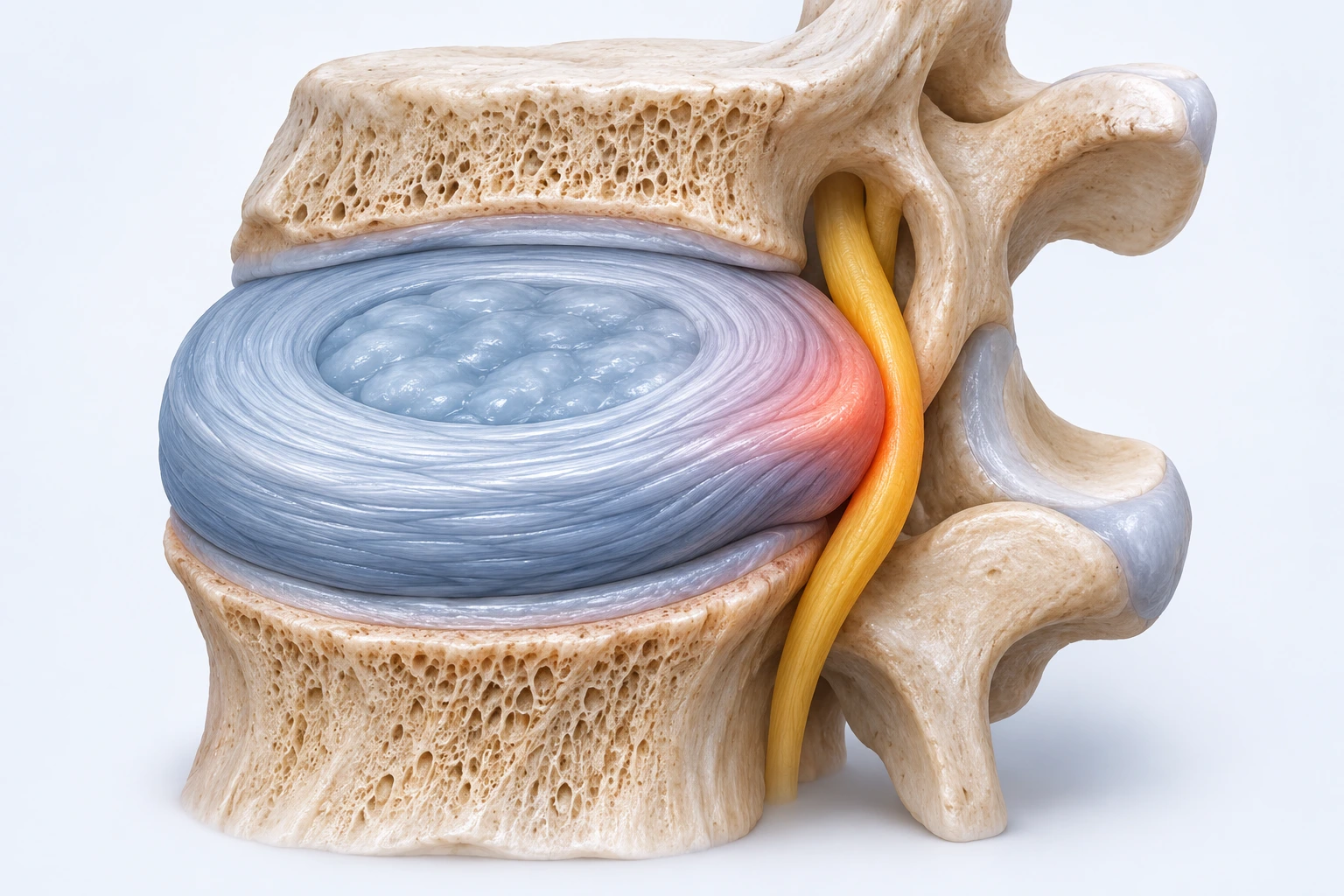
Protrusion
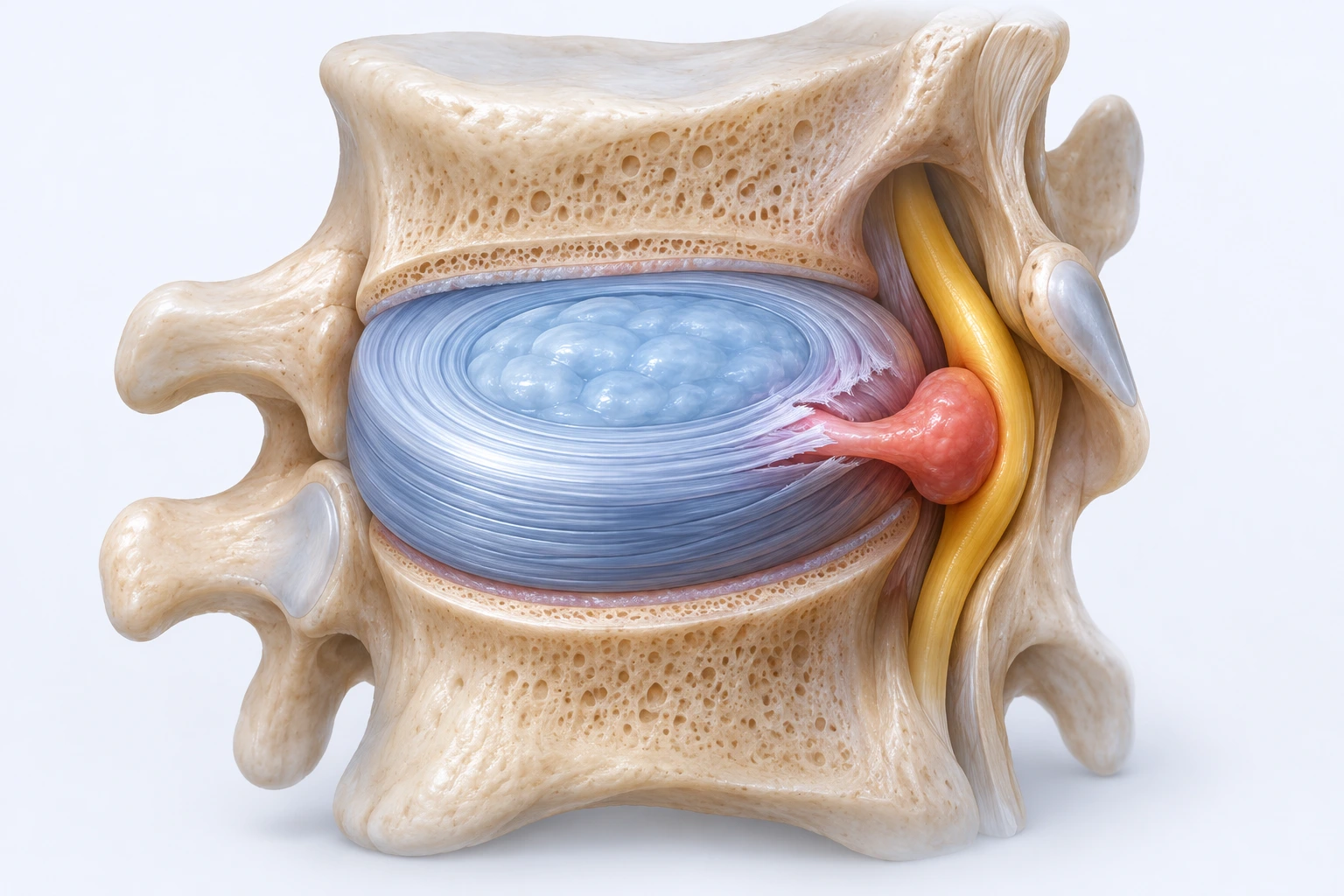
Extrusion/herniation
02 | What symptoms can they cause?
Possible symptoms include lower back or neck pain, pain radiating into a leg or arm, tingling, sensory changes, worsening with certain movements or muscle weakness. An MRI finding alone may not explain the symptoms.
New urinary problems, loss of sensation around the groin or rapidly worsening limb weakness require immediate medical assessment.
03 | Diagnosis – identifying the precise cause
The doctor assesses the course of symptoms, neurological symptoms, mobility and previous treatment. Magnetic resonance imaging (MRI) or other examinations are added where needed. Agreement between the clinical symptoms and imaging findings is essential.
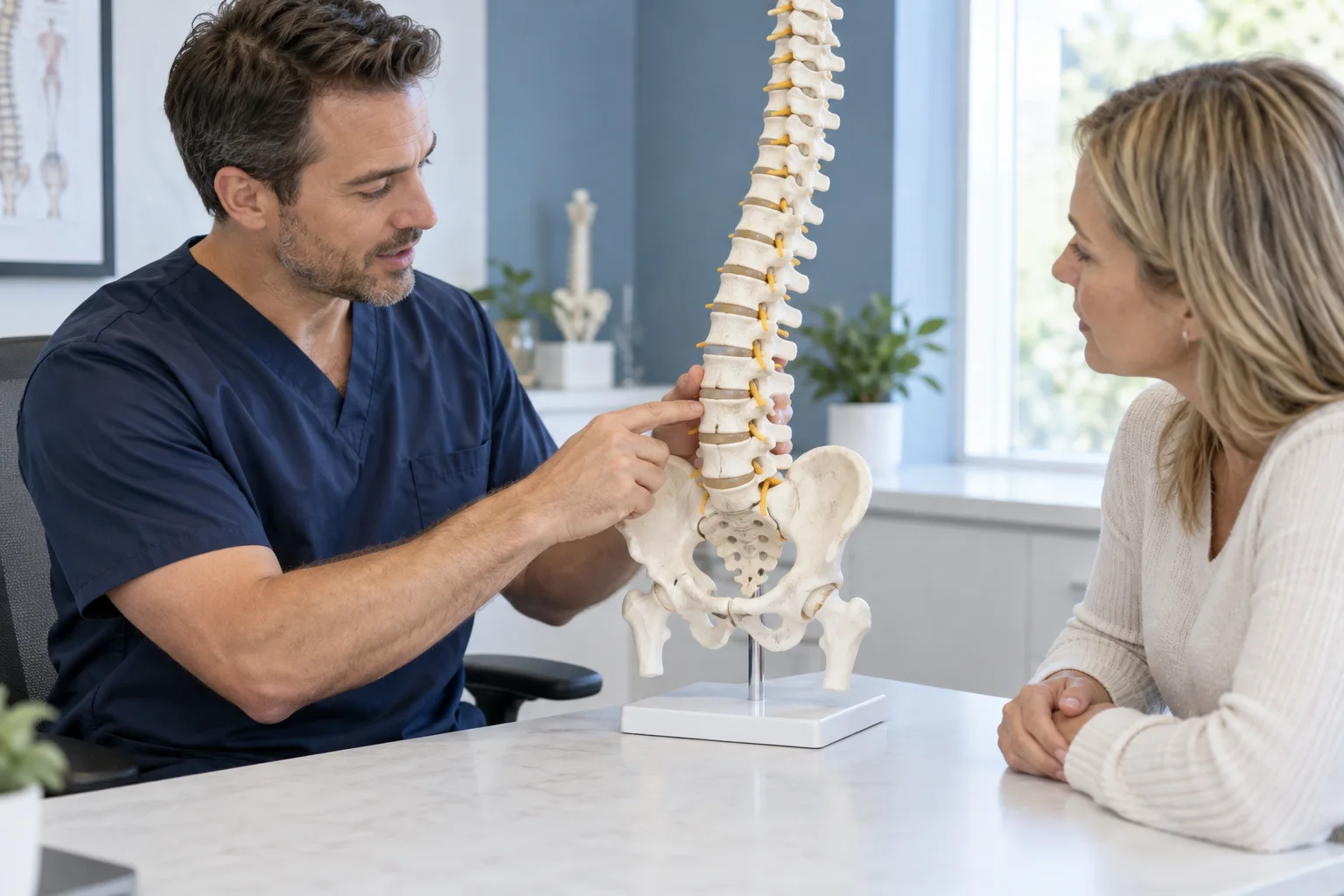
Clinical and neurological examination
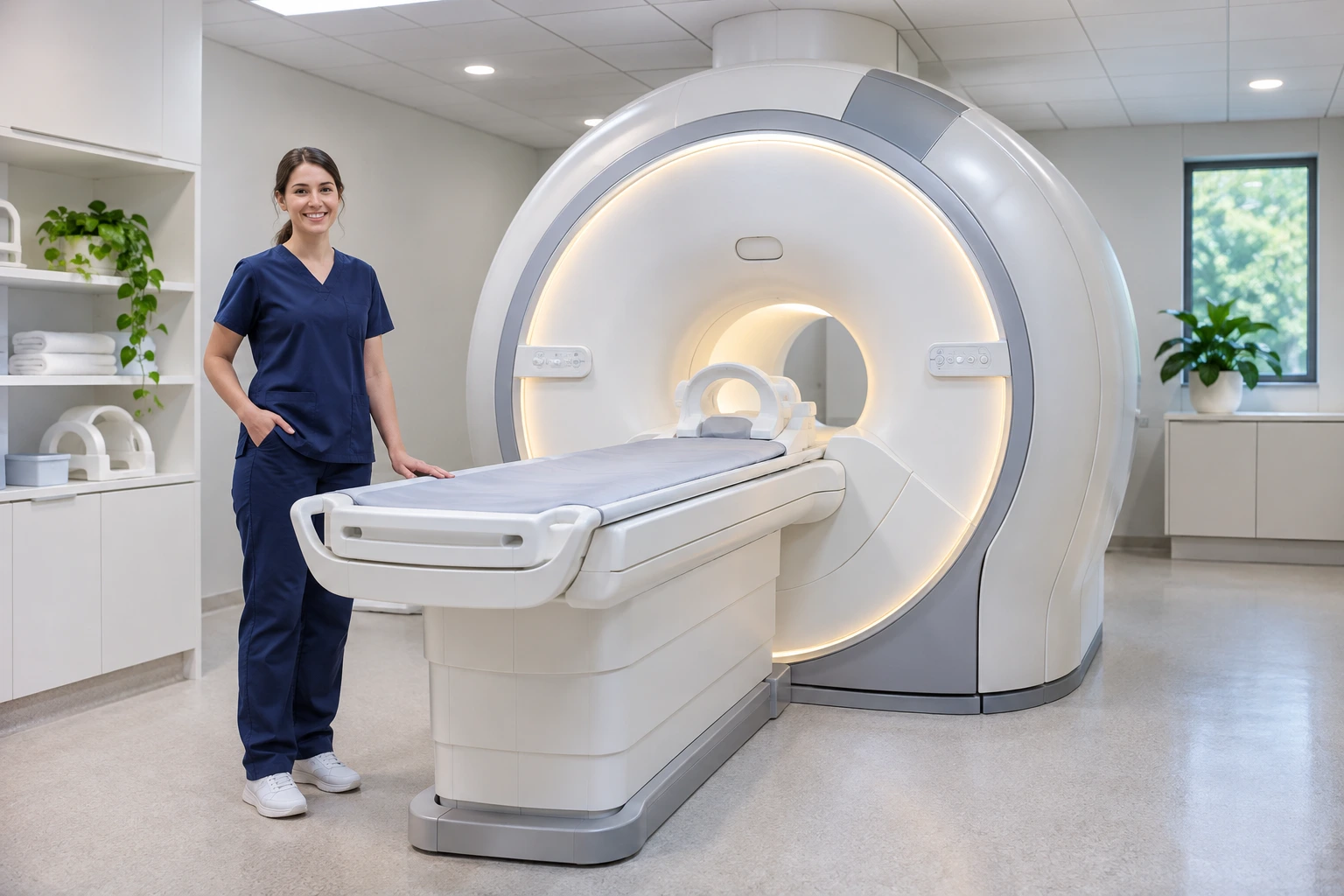
MRI when indicated

Individual assessment of the results
04 | Treatment options for intervertebral discs
Treatment depends on the cause of pain, neurological status, severity of symptoms and response to care so far.

Conservative treatment
Active movement, individual physiotherapy, education, adjustments to physical loading and medication where needed.
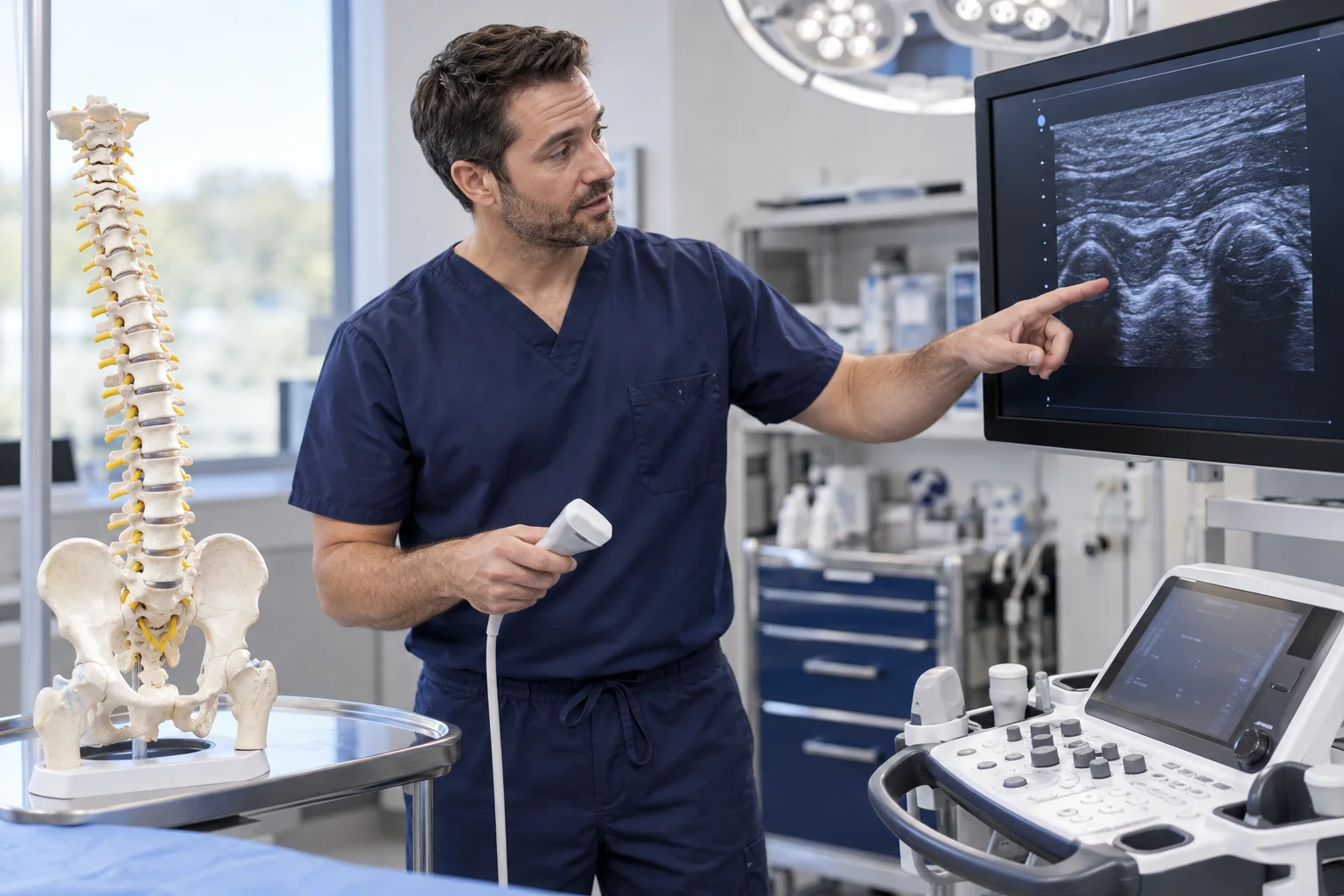
Interventional procedures
For selected conditions, image-guided injections may help relieve symptoms, particularly when a nerve root is irritated.
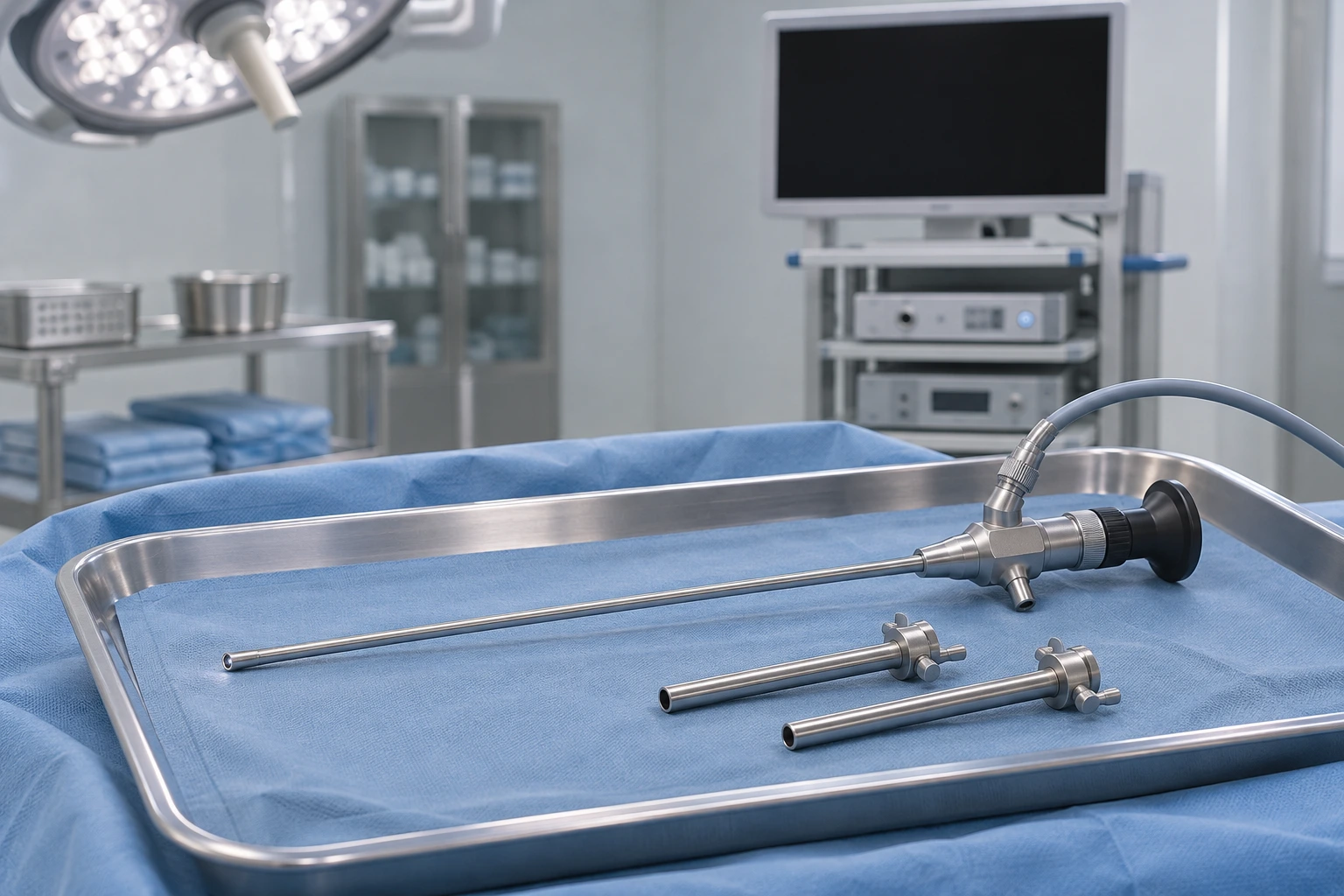
Endoscopic treatment
In appropriately indicated herniations, endoscopic removal of material compressing a nerve may be considered.

BMAC
BMAC is a concentrate prepared from the patient’s own bone marrow. In degenerative disc changes, it is an investigational biological method whose effectiveness and long-term benefit have not been sufficiently confirmed. It does not replace necessary surgery for neurological compression.
05 | Why choose an EIRM-certified clinic?
EIRM certification applies to a specific workplace and a defined scope of procedures. It aims to verify professional, technological, quality and safety requirements. Certification itself does not guarantee a treatment outcome.
Professional procedures
Quality and safety
Individual assessment
06 | Frequently asked questions
Does a herniated disc always require surgery?
No. Many cases can be treated conservatively. The need for surgery depends mainly on the neurological findings and the course of symptoms.
Can a disc herniation shrink on its own?
Yes, in some herniations the displaced material is partly or substantially resorbed over time.
Is BMAC suitable for everyone?
No. For discs, this is an investigational procedure; a doctor must assess suitability, possible risks and the legal conditions of use.
Can BMAC restore a damaged disc?
Reliable disc restoration using BMAC has not been clinically demonstrated.
How can I find out which treatment is suitable?
Through specialist examination and assessment of the agreement between symptoms and imaging findings.
Are you troubled by spinal pain?
Choose a certified clinic and book a consultation.
EIRM is a professional and certification institution. Independent clinics provide healthcare. The availability of individual therapies depends on the specific workplace and the applicable regulatory requirements.