
REGENERATIVE MEDICINE
Image-guided injection of autologous plasma (PRP)
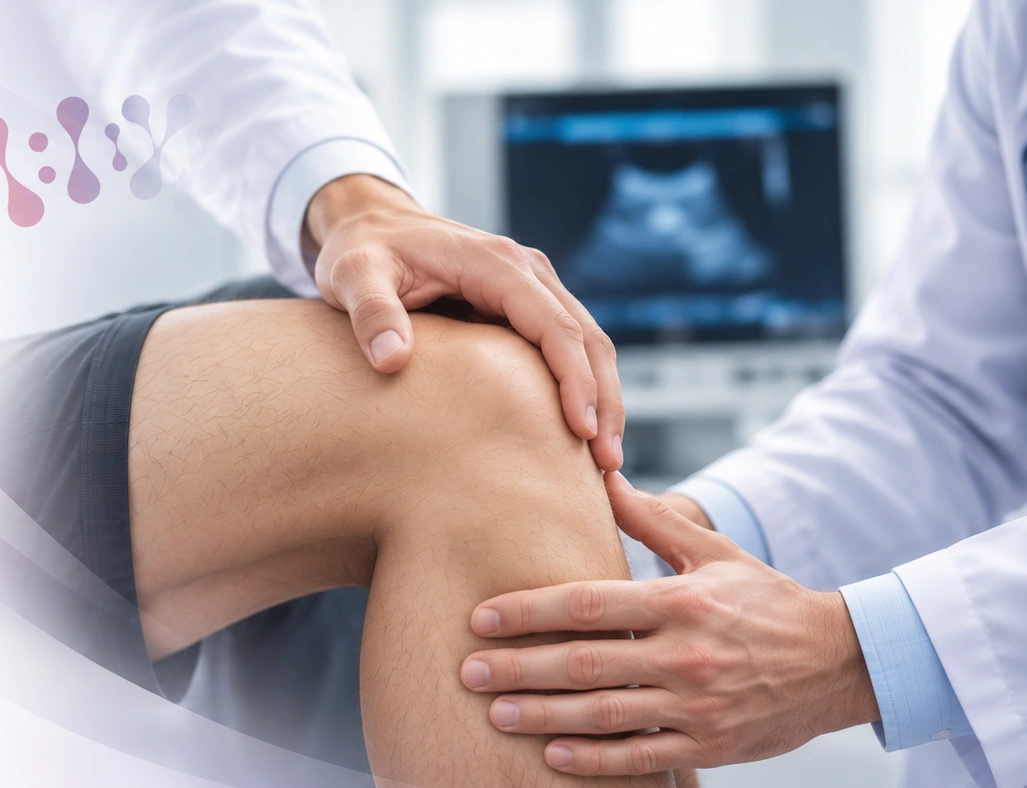
Treatment using plasma prepared from the patient's own blood, injected precisely into the affected area under imaging guidance.
Your own biological material
Targeted injection
Outpatient procedure
01
TREATMENT FROM YOUR OWN BLOOD
What is autologous plasma? (PRP)?
PRP (Platelet-Rich Plasma) is plasma with a higher concentration of platelets, prepared from the patient's own blood.
Platelets contain biologically active substances that naturally participate in tissue healing and repair. PRP treatment aims to use these natural mechanisms directly in the area of damaged or overloaded tissue.

Collection of your own blood

PRP preparation

Targeted injection
02
TREATMENT OPTIONS
Who may be suitable for PRP?
PRP is used for selected painful and degenerative musculoskeletal conditions. A doctor always determines whether treatment is suitable, based on the diagnosis, clinical examination and available imaging examinations.
Joints
Selected degenerative changes and joint injuries.

Tendons and tendon attachments
Chronic overload, tendinopathies and selected tendon injuries.
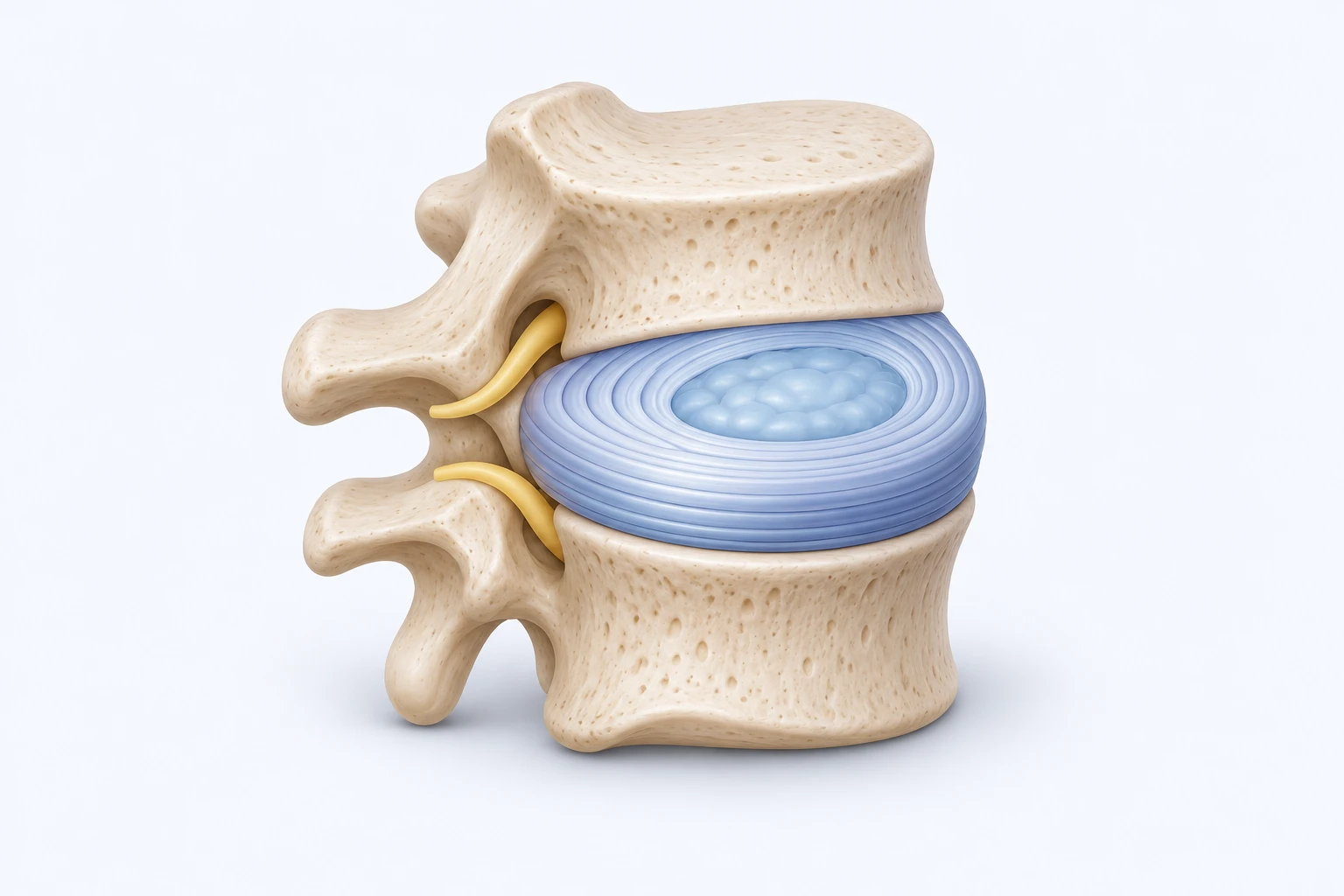
Spine
Selected causes of chronic spinal pain.
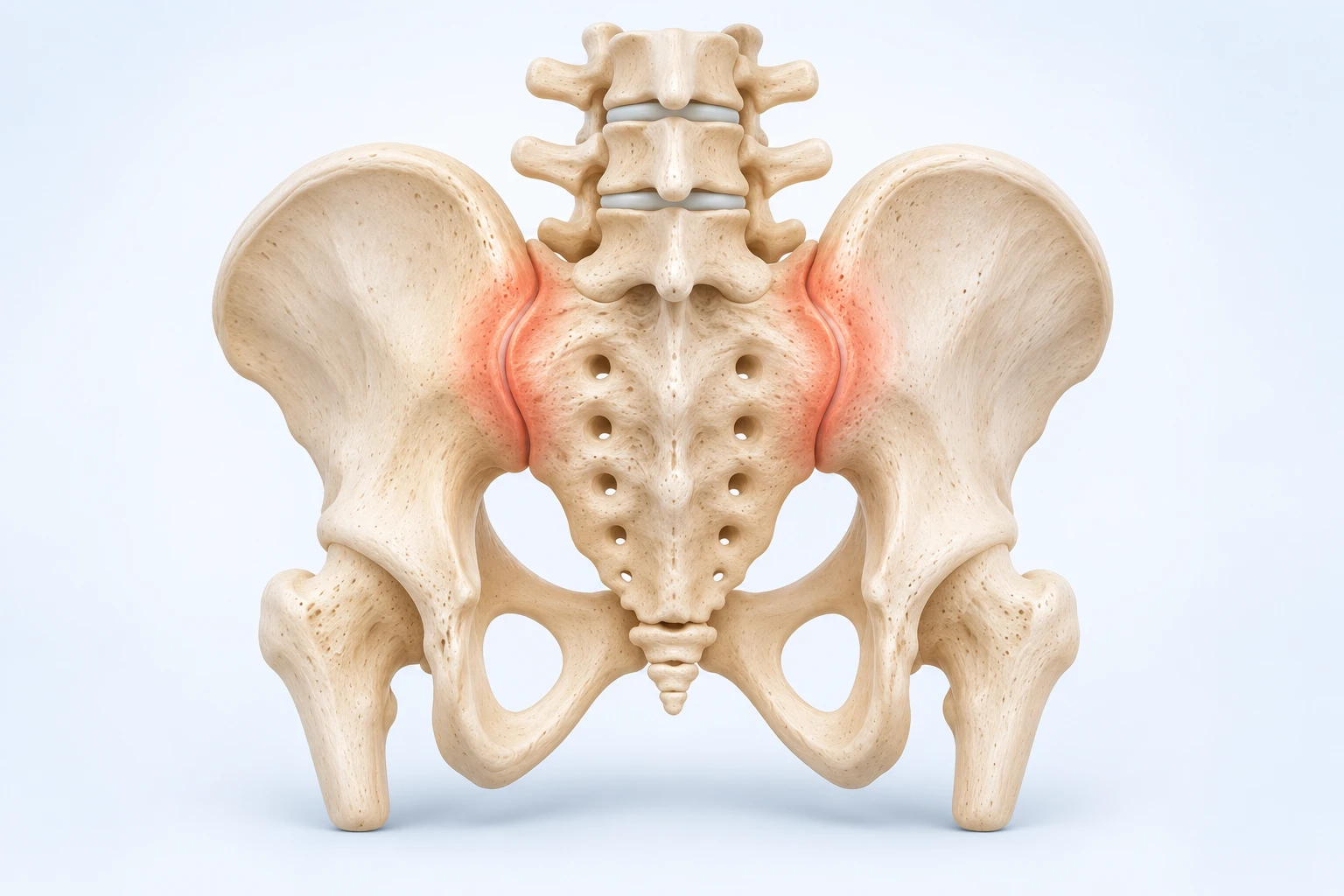
SI joint
Selected painful conditions of the sacroiliac joint.
03
TREATMENT PROCESS
From your own blood to targeted injection
Blood collection
A small amount of the patient's own blood is collected, as with a routine blood test.
PRP preparation
The blood is processed in a special system to separate plasma with the required platelet content.
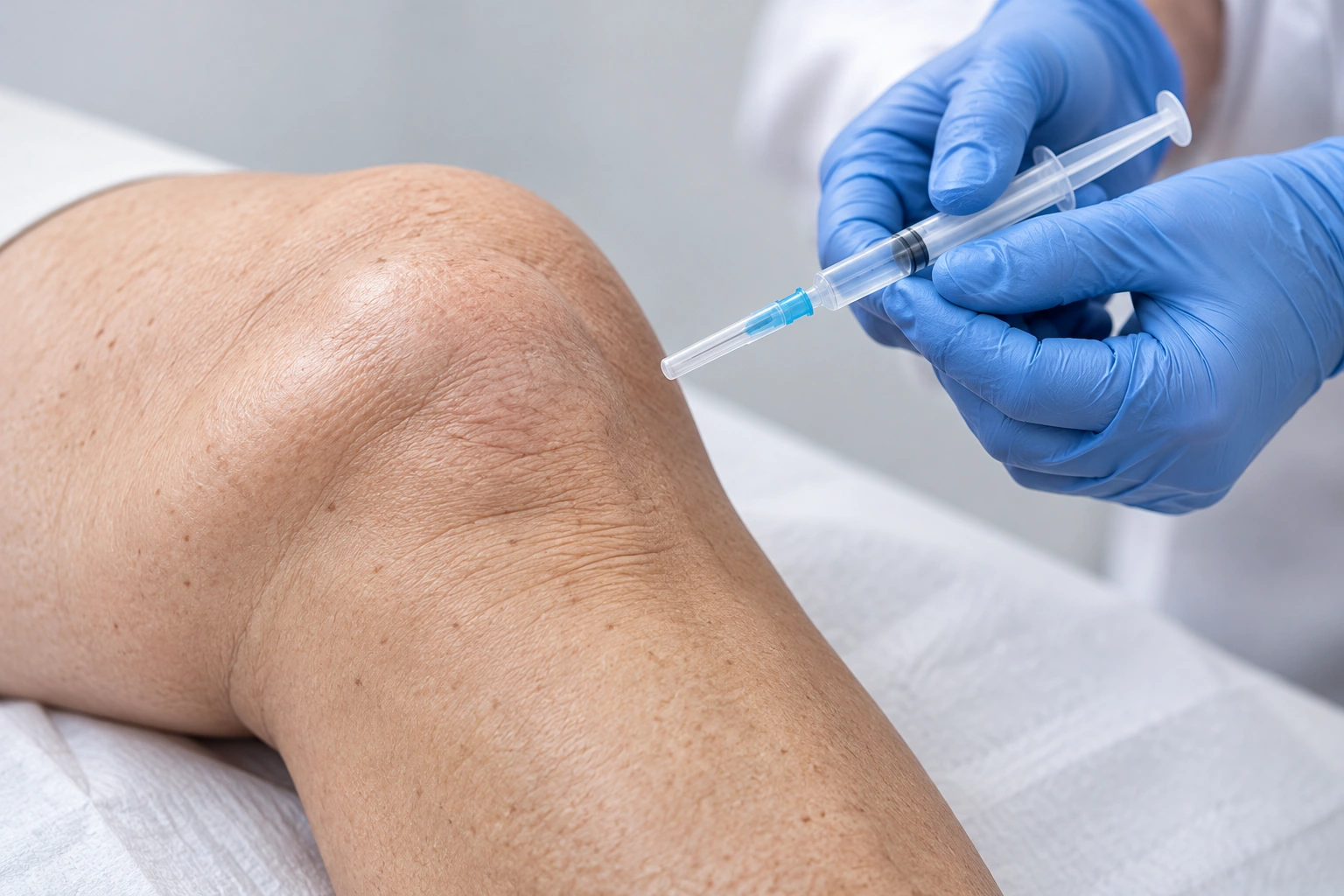
Targeted injection
The prepared plasma is injected directly into the treatment area under imaging guidance.
04
TREATMENT PRECISION
The right location is as important as the treatment itself
During image-guided injection, the doctor monitors anatomical structures and the position of the needle using imaging. This enables PRP to be delivered precisely to the area identified by the diagnosis.
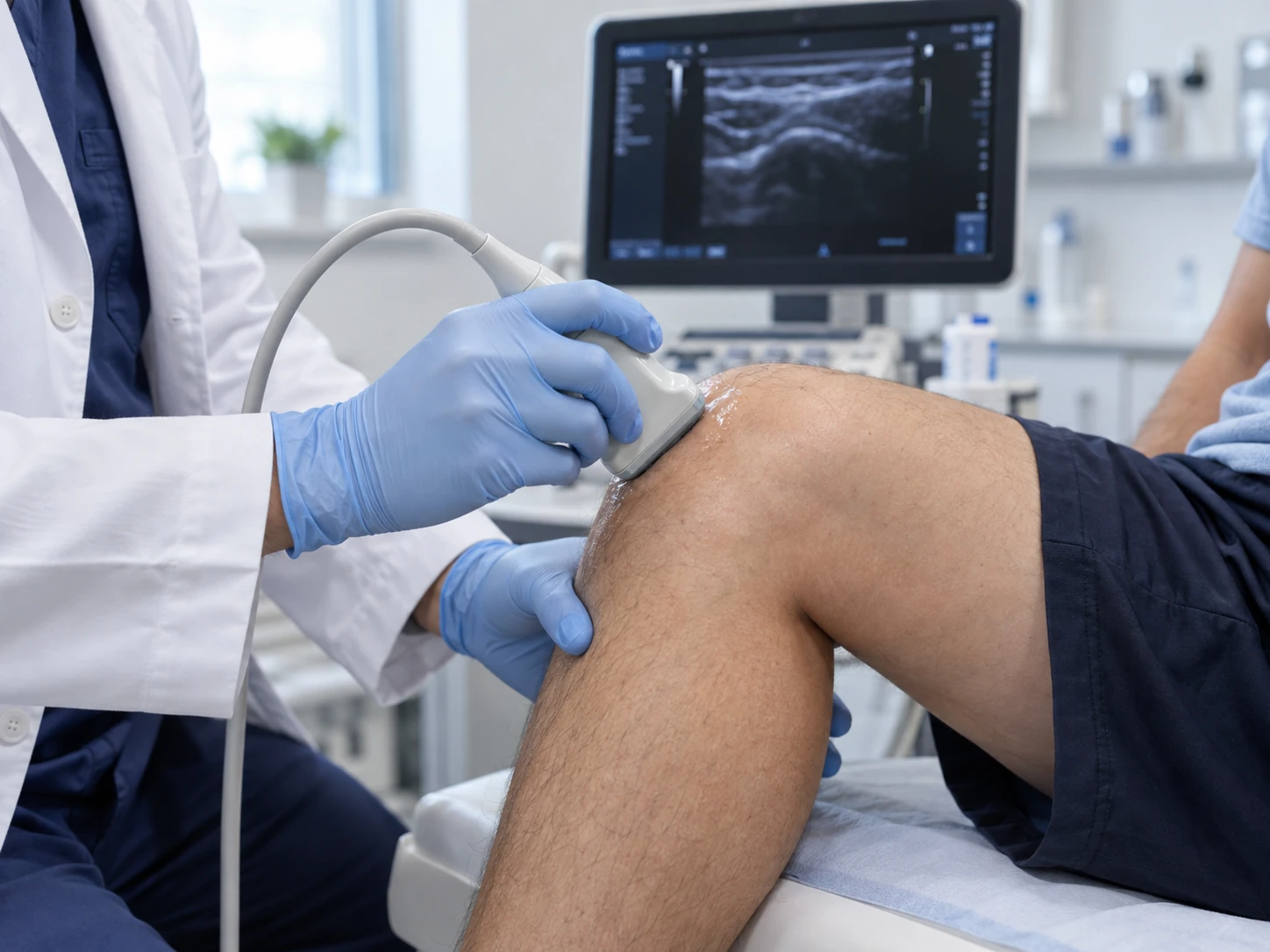

Ultrasound guidance
Particularly for joints, tendons, tendon attachments and other peripheral structures.
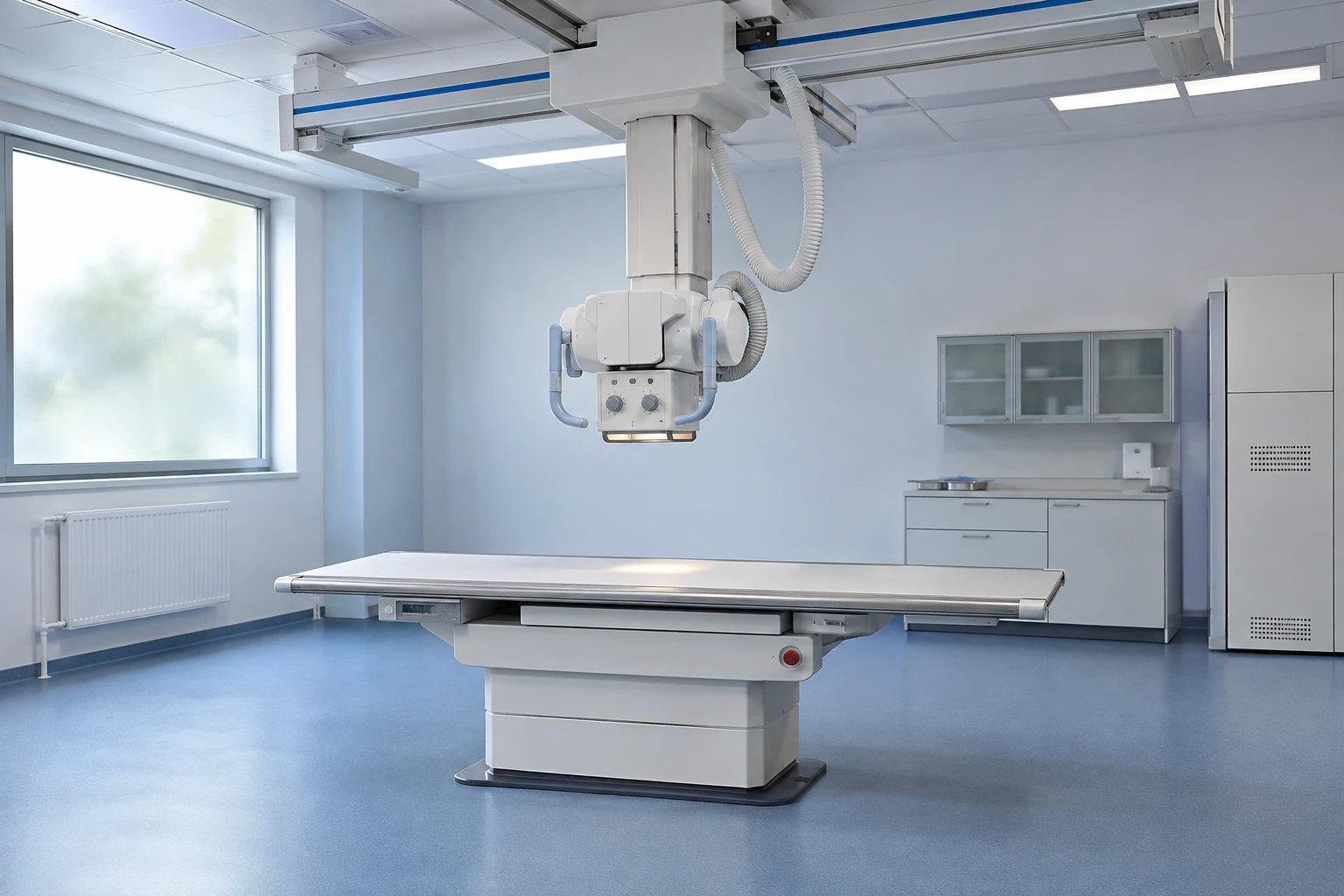

X-ray guidance
For selected deeper structures and spinal interventions.
05
AFTER TREATMENT
Results develop gradually
PRP is not an injection for immediate pain relief. Treatment aims to support biological processes in the treated area and create suitable conditions for healing and functional recovery.
The response to treatment is individual and depends on the diagnosis, extent of damage, overall health and other factors.

Treatment

Gradual biological response

Follow-up

Return to activity
06
SAFETY
Is PRP suitable for everyone?
No. Before treatment, a doctor assesses the diagnosis, health, medications and possible contraindications.
Because PRP is prepared from the patient's own blood, it is autologous biological material. However, the procedure itself remains an invasive intervention and may involve adverse effects or complications.
A doctor therefore always decides whether PRP is suitable after an individual examination.

Individual assessment by a doctor

Consideration of health and medications

Possible risks and limitations
07
FREQUENTLY ASKED QUESTIONS
What do patients most often want to know?
- Is PRP injection painful?
- How should I prepare for the procedure?
- What should I do after the injection?
- When can I expect results?
- How many injections will I need?
- Can I return to work or sport after the procedure?
BOOK AN APPOINTMENT
Find out whether PRP could be an option for you
A doctor will determine whether treatment is suitable based on your symptoms, diagnosis and health.